

Anger Management for Kids in Pontiac: A Guide for Parents-💜
CNS Healthcare • August 7, 2026
Before they may even have the words to express it, a child who suddenly refuses to cooperate may be communicating distress. Effective anger management for kids helps families recognize this issue. It also helps them maintain firm limits around unsafe conduct and difficult behavior.
In this guide, we'll explain how caregivers in Michigan can begin to identify anger issues in kids. You'll learn to notice triggers, respond calmly, teach children coping skills, and decide when additional support may be appropriate.
Key Takeaways
- Anger is a signal, and children in Oakland County can learn safe expression and emotional regulation with guidance. Professionals and caregivers can do this through steady practice, behavioral techniques, and responsive adult guidance.
- A useful plan combines trigger awareness, early body cues, coping skills, consistent boundaries, repair, and professional support when needed.
- Needing help does not imply a failure in parenting. It can clarify unmet needs, strengthen confidence, protect relationships, and make home and school routines more manageable
Understand Anger, Moodiness, and Aggression

Anger, tantrums, and emotional outbursts are generally normal parts of early child development. This is particularly common as toddlers and preschoolers are learning language and self-regulation.
Childhood tantrums commonly begin around 12 to 18 months, and they often peak around ages 2 to 3. During temper tantrums, young children may become angry when they are hungry, tired, overwhelmed, or frustrated.
Moodiness, crying, arguing, withdrawal, rapid breathing, and yelling can indicate that a child’s nervous system is becoming overwhelmed. Hitting, threats, and property damage require immediate boundaries and support.
Make an effort to describe explosive behavior as “a difficult moment”. Saying this rather than calling the child “difficult” separates identity from behavior and preserves the relationship needed for learning.
When Anger May Need More Attention
Frequent, intense reactions deserve closer attention. This is especially true when recovery disrupts school, friendships, routines, or family life. Sleep changes, bullying, grief, trauma, learning challenges, and family stress may contribute. An emotional vocabulary helps children explain what anger is protecting, while positive reinforcement strengthens safer responses.
Help Your Child Identify Anger Triggers

Trigger identification replaces assumptions about defiance with evidence about what happens before, during, and after an outburst. Common patterns include transitions, hunger, tiredness, sibling conflict, screen-time limits, perceived unfairness, sensory overload, and school pressure.
Keep a brief log recording the situation, the child’s reaction, how long recovery appeared to take, and what helped. This method resembles the observation used in cognitive behavioral therapy. CBT examines connections among situations, thoughts, feelings, and actions.
Notice Body Signals and Hidden Feelings
Teach the child to notice feelings such as a tight stomach, hot face, tense muscles, quick heartbeat, or a desire to shout. Anger may be a hide disappointment, embarrassment, worry, sadness, fear, or exclusion. Identifying the underlying feeling often clarifies the needed support.
When broader care is appropriate, CNS Healthcare in Pontiac covers psychiatry, medication management, psychotherapy, nursing, crisis intervention, and peer support. The relevant service will depend on an individualized assessment given by healthcare professionals.
Use a Feelings Thermometer
Create a 1-to-5 scale in which 1 represents calm and 5 represents out of control. Connect each level with an action. For example, requesting help at level 2, start deep breathing at level 3, or taking a supervised calm break at level 4.
Respond Calmly During an Angry Moment

When a child is highly upset, safety should be top priority. When speaking, use a low voice, short statements, and keep sufficient physical space. Also remove dangerous objects or separate children when necessary.
Avoid any lectures, debates, or demands for a detailed explanation during peak distress. During this time, a child may temporarily lose some capacity for reasoning.
A calm adult is more likely to help a child settle more easily. In fact, a systematic review of 69 studies found that caregiver-child physiological synchrony was associated with developing child self-regulation. Research on emotion regulation and co-regulation also emphasizes that these patterns can vary. They can change based on context, stress, and developmental stage.
You can also demonstrate the behavior the child needs to learn. Slowing your breathing, lowering your posture, and lowering verbal intensity.
A family safety plan should identify warning signs, safe spaces, trusted adults, and steps for obtaining urgent assistance. Families can also adapt ideas from effective stress management.
Use a Simple In-the-Moment Script
Say something along the lines of, “I can see you are upset. I will help you calm down, and I will not let you hurt anyone.”
Offer two options to the child instead of presenting an open-ended question. Ask them if they want water or a quiet space. Ask them if they want to breathe together or a brief break in movement. These limited choices preserve the boundary while giving the child an appropriate measure of control.
Practice Calming Skills Before They Are Needed
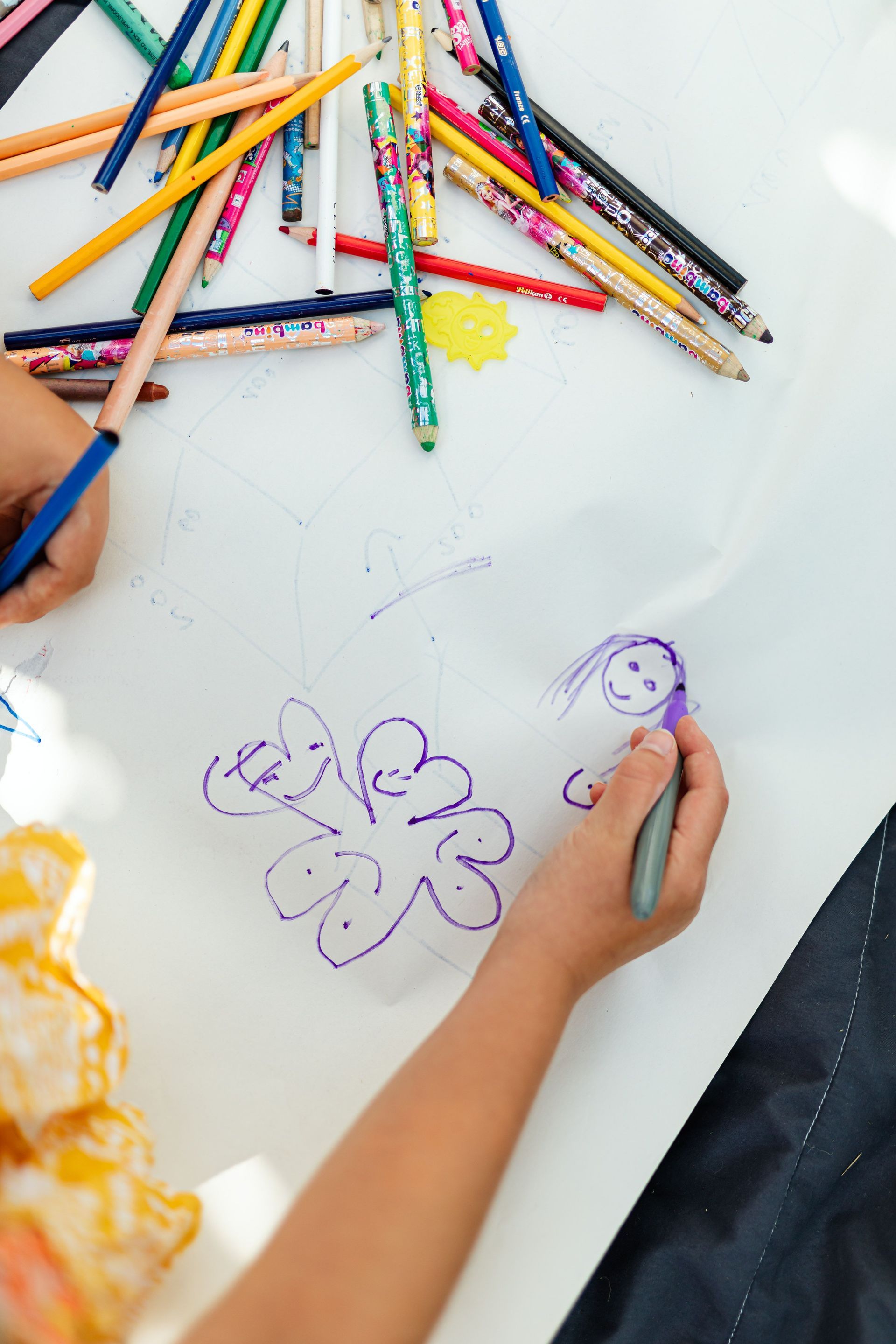
Coping skills are easier to remember during distress when children have already practiced them while calm. Introducing an unfamiliar technique during an outburst may feel like another demand instead of helpful.
Let the child select several age-appropriate strategies. These might include counting, drawing, listening to music, or using a sensory object. Taking space or speaking with a trusted adult can also be beneficial. These mental health activities help kids relieve stress and can make practice concrete and manageable.
Build a Personal Calm-Down Plan
Write or design a simple plan and display it where difficult moments commonly occur. For example: stop, breathe slowly, choose a safe activity, tell an adult what happened.
A calm-down plan supports routine emotional learning; however, it does not replace crisis intervention. Everyday coping practice and emergency response serve different levels of need.
Teach Problem-Solving Only When Children are Calm
Review the incident only after the child calms down, approaching it with curiosity instead of blame. Help the child describe the problem, repair any harm caused, and choose a single response to try next time.
Create Consistent Support at Home and School
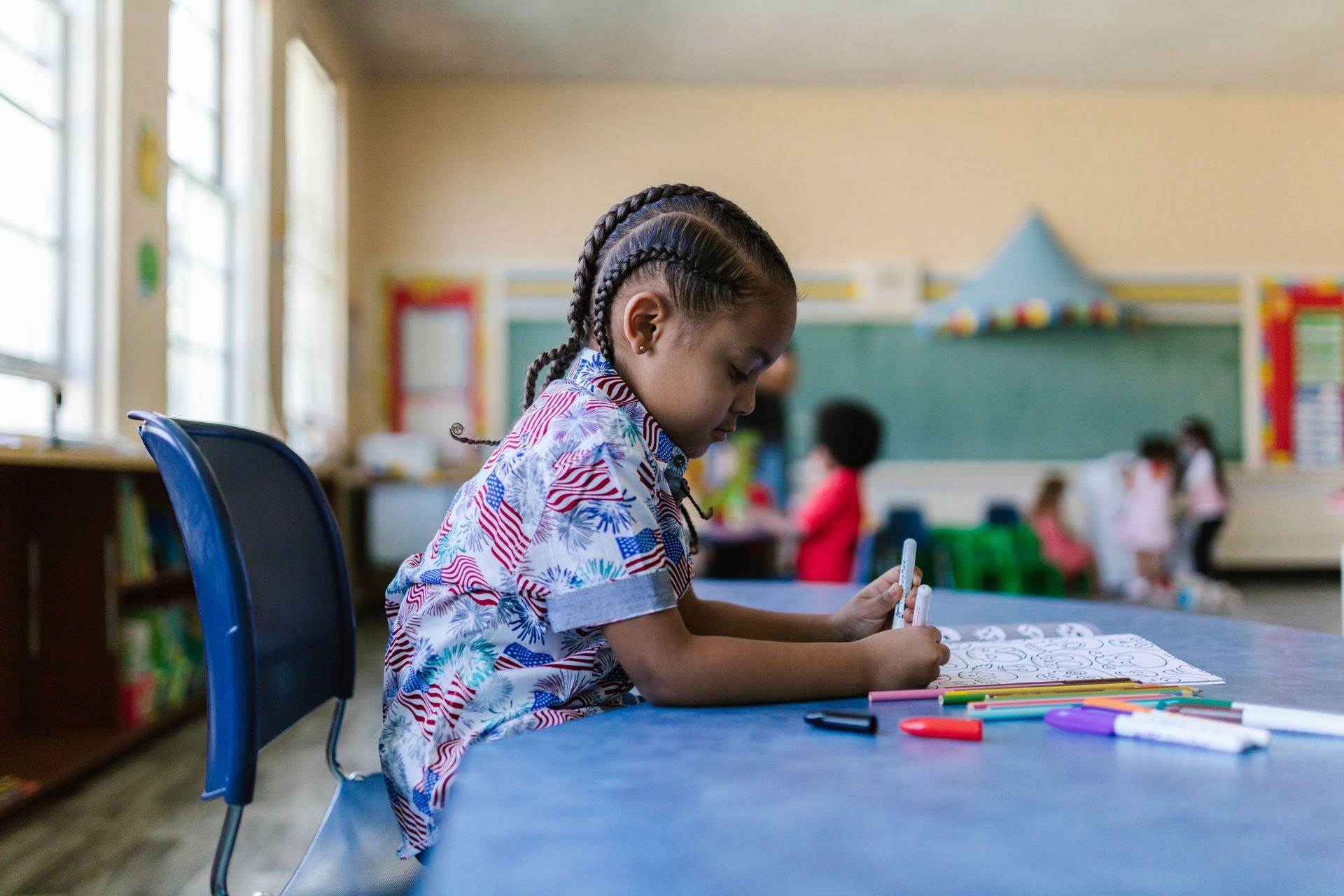
Children learn boundaries more easily when caregivers and school counselors abide by a small set of predictable rules. Proportionate consequences are also essential. Parent management training improves child social skills, while strategies should still reflect developmental level, communication ability, and individual needs.
Some children may benefit from cognitive behavioral therapy or other professional approaches. 40 studies with 1,953 participants found that CBT helped reduce children’s anger and aggression. The pooled mean effect size was d = 0.67 for anger-related problems. A U.S. evidence review also cited a mean effect of 0.63 for aggression.
Know When to Seek Additional Support in Pontiac
Consider a professional evaluation when your child's anger is persistent, escalates, causes injury, or places strain on family relationships. A pediatrician, school counselor, or qualified child mental health professional can examine possible developmental, environmental, physical, and emotional contributors.
CNS Healthcare in Detroit has experience supporting child, youth, and family mental health needs in Southeastern Michigan. They also offer same-day or walk-in behavioral health urgent care without a referral. You can count expect affordable options for uninsured patients, thanks to a sliding fee payment system. Reach out to us today to get the support you need for better mental health.
FAQs
1. What Causes Anger Problems in Children?
Stress, frustration, life transitions, or sleep problems may contribute to frequent anger. Kids also may get angry after experiencing conflict, bullying, learning difficulties, grief, or other emotional concerns. Recording patterns can help caregivers and qualified professionals identify which supports may be useful.
2. How Can I Help My Child Control Anger in the Moment?
Stay calm, protect everyone’s safety, use simple words, and validate their emotions without allowing harmful conduct. Offer one or two simple choices, such as water, slow breathing, safe movement, or a quiet break.
3. At What Age Can Children Learn Anger Management Skills?
Children can begin learning basic emotion words, body signals, and calming routines in early childhood. Strategies should match the child’s developmental level, communication abilities, sensory needs, and capacity to practice.
4. When Should I Seek Help for My Child’s Anger in Pontiac?
Seek additional support when anger is frequent, getting worse, or unsafe. You should also get help if your child's anger is difficult to recover from, or disruptive to school and relationships. If anyone faces immediate danger or threats of harm, contact 988, 911, or local emergency services without delay.
Newsletter
Stay up to date by subscribing to our newsletter.
Recent Posts



SHARE THIS POST WITH YOUR FRIENDS