

How Cognitive Behavioral Therapy for Anxiety Works-💜
CNS Healthcare • August 29, 2026
When considering cognitive behavioral therapy for anxiety, understanding how thoughts, emotions, physical sensations, and actions reinforce one another provides a useful starting point. A fear of making mistakes or persistent worry can influence how someone works, sleeps, and connects with other people.
This guide explains the CBT process, its techniques, common mistakes, and options for finding qualified support in Pontiac.
Key Takeaways
- CBT helps people with anxiety by teaching skills to change unhelpful thoughts and actions.
- Techniques include cognitive reframing, thought records, paced breathing, worry periods, and graded exposure.
- Success with CBT requires practice beyond just sessions through homework and gradual facing of fears. Progress is slow but steady.
- Avoid common mistakes such as skipping homework or expecting quick results. Support from peers and professionals at local clinics can help you succeed.
What Cognitive Behavioral Therapy Means for Anxiety

Cognitive behavioral therapy, or CBT, is a structured form of talk therapy. It examines connections among thoughts, feelings, and behaviors. CBT is a first-line, evidence-based treatment for anxiety disorders that targets automatic thoughts and cognitive distortions. This also includes catastrophizing, and jumping to conclusions.
Anxiety can affect emotions, concentration, heart rate, muscle tension, sleep, and everyday decisions. CBT doesn't aim to remove every uncomfortable feeling. However, you can build and practice skills for responding more effectively when anxiety appears.
The Thought-Feeling-Behavior Cycle
Worrying about a mistake at work may bring up anxious feelings, or lead someone to avoid a task. This avoidance can provide short-term relief that also reinforces
future avoidance. CBT interrupts this cycle through cognitive reframing and carefully chosen behavioral changes. This is a better outcome than asking someone to ignore genuine risks or problems.
How CBT for Anxiety Usually Works

CBT is collaborative and goal-focused. This means the therapist and client identify anxiety triggers and agree on goals and outcomes. A session may involve reviewing a recent situation, learning one skill, or applying it to a real example.
The pace should reflect the person’s symptoms, treatment history, safety needs, cultural context, and goals. For generalized anxiety disorder, social anxiety disorder, and panic disorder, CBT commonly involves about 8–20 sessions. These are often delivered weekly over roughly 3–4 months. The course can vary with severity and response.
Identifying Patterns Without Self-Blame
Common anxiety patterns include worst-case thinking, repeated checking, constant reassurance seeking, and avoiding uncertain situations. These behaviors often begin as attempts to establish safety. Identifying them should support understanding rather than self-criticism.
CBT Techniques That Can Help With Overthinking

CBT techniques are learned skills, not an instant solution for erasing distress. Their value comes from repeated, situation-specific practice with feedback from a qualified therapist.
A thought record documents a stressful event, the automatic thought, associated emotions, and supporting and conflicting evidence. This format creates distance from a prediction without assuming that every concern is unfounded.
A behavioral experiment is a small, planned action used to test a feared prediction safely. For example, a person might fear that asking a question during a meeting will cause ridicule. However, an experiment can compare that expectation with what actually occurs.
Grounding and paced breathing may reduce immediate arousal enough to make other CBT skills accessible. Slow or paced breathing has been associated with reduced state anxiety. It has also been known to create lower respiratory rate, and increased heart-rate variability.
Reframing Anxious Predictions
Thoughts like, “I will definitely embarrass myself” can turn to, “I may feel nervous, and I can prepare and cope if something does not go as planned.” Effective reframing remains realistic and evidence-based instead of replacing fear with forced positive feelings.
Reducing Avoidance Gradually
Exposure therapy relies on graded exposure, beginning with manageable steps and advancing according to an agreed plan. A clinician should
guide exposure when anxiety is intense, trauma-related, or connected to genuine safety concerns. Trauma-informed care distinguishes therapeutic discomfort from destabilizing distress.
Who May Benefit From CBT for Anxiety

CBT is a first-line therapy for generalized anxiety disorder, panic disorder, and social anxiety disorder. For specific fears, graduated exposure to the feared object or situation is generally the first-line psychological treatment. This can be delivered within a CBT framework.
Persistent worry, poor concentration, ongoing avoidance, or disruption to daily life indicate that a professional assessment would be useful. For generalized anxiety disorder, diagnostic criteria include excessive, ongoing worry, along with clinically significant distress or impairment and symptoms such as difficulty concentrating.
CBT is not automatically the right fit for everyone. Personal preferences, previous treatment experiences, communication needs, and symptoms all affect whether its structured approach is the right one.
When Additional Support May Be Needed
Severe distress, trauma symptoms, substance use concerns, or immediate safety concerns may require a broader care plan. Sharing current symptoms and previous treatment experiences helps a clinician recommend an appropriate level and form of support.
People exploring how earlier trauma affects their current anxiety may also find the benefits of therapy sessions for adverse childhood experiences useful. Childhood history does not determine one treatment path, but it can influence pacing and clinical safeguards.
Finding Cognitive Behavioral Therapy for Anxiety in Pontiac
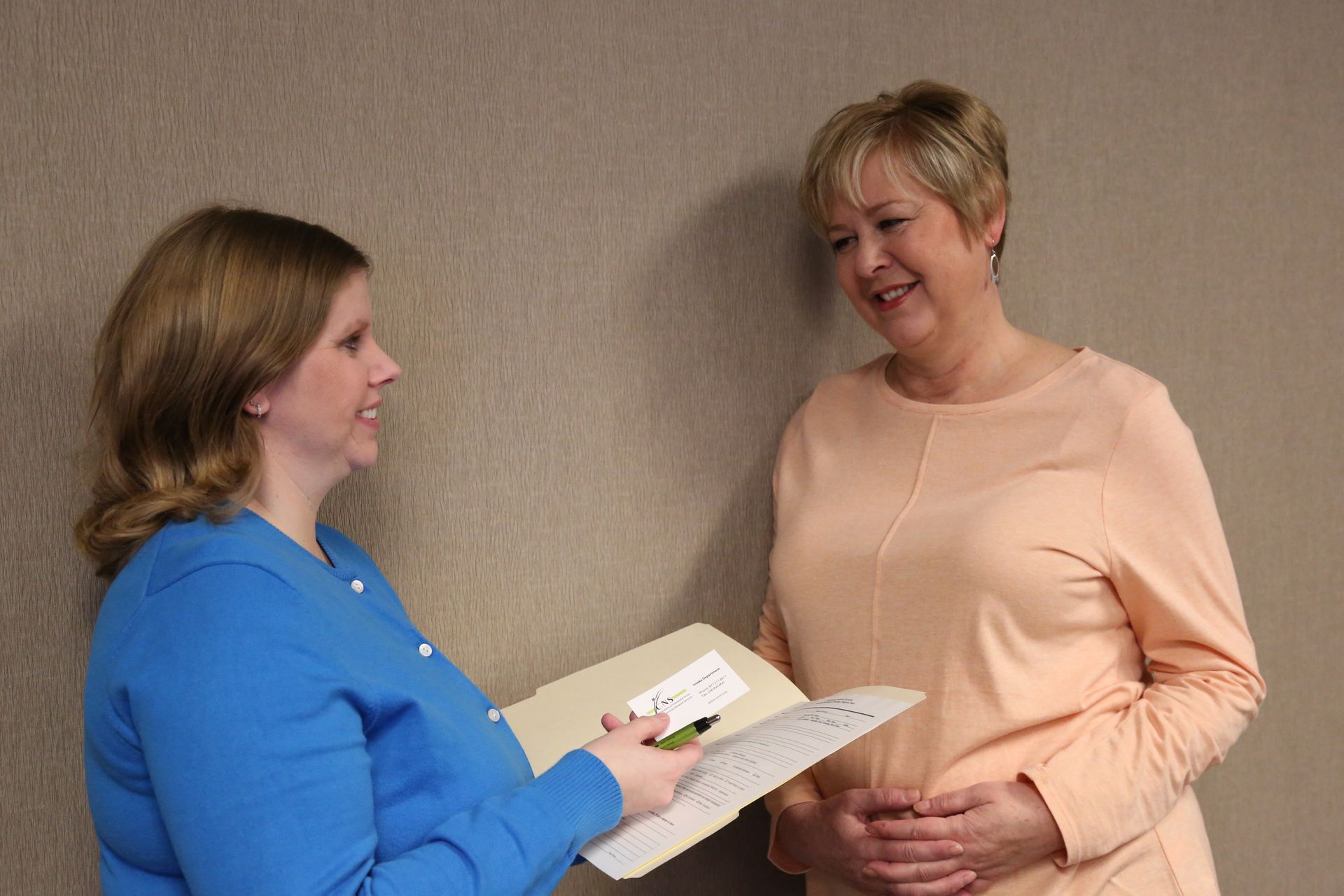
Look for a licensed mental health professional who clearly describes experience treating anxiety with CBT-informed methods.
Access matters because consistent attendance can be difficult when transportation, scheduling, insurance coverage, or technology creates friction. People traveling from Downtown Pontiac should compare in-person routes with virtual-care options before selecting an appointment format.
CNS Healthcare’s community-based experience reflects a wide spectrum of support, including therapy, psychiatry, medication management, nursing, crisis intervention, and peer support. Its same-day or walk-in behavioral health urgent care requires no referral. They offer affordable options for uninsured patients. This is essential when anxiety becomes urgent.
Local Considerations in Pontiac
Pontiac residents may need to account for travel across Oakland County, including routes near M-59 and Woodward Avenue. Confirm current availability, accepted coverage, fees, telehealth, and referral requirements directly with the provider because details can change.
Families seeking age-specific context can read about how therapy for kids can ease the transition to a new school. Children and adults may use related CBT principles, but assessment methods and family involvement differ by developmental stage.
Common CBT Mistakes to Avoid

CBT worksheets are not tests, and incomplete notes may still reveal meaningful patterns. A brief health history of your mental health conditions can give a therapist enough information to refine your plan.
Another mistake is expecting anxious thoughts to disappear immediately. CBT often aims to change how a person interprets and responds to those thoughts. This can reduce their control even when uncertainty remains.
Highly distressing exposure exercises should not be attempted alone or without a safety plan. Moving too quickly can reinforce fear, whereas structured exposure uses manageable repetition and clinical review.
Explore CBT at CNS Healthcare
CBT offers a structured way to understand anxiety without treating anxious responses as personal failures. With qualified guidance and realistic goals, Pontiac residents can evaluate whether CBT is right for their own care plan.
If you're ready to take the next step,
reach out to us at CNS Healthcare. Visit one of our local clinics for assistance or to explore more resources on CBT.
FAQs
1. Is Cognitive Behavioral Therapy Good for Anxiety?
CBT is an evidence-based therapy for anxiety disorders. Placebo-controlled studies have found a moderate effect on target disorder symptoms. Results and treatment fit vary, so a qualified professional should assess whether it is appropriate for a particular situation.
2. Who Is CBT Not Recommended For?
CBT is not categorically excluded for any one type of person. However, it may require adaptation or may not be the best starting point for every need. Significant safety concerns, complex symptoms, or personal preferences may support another therapy or a broader clinical plan.
3. What Are Some CBT Techniques for Overthinking?
Common techniques include thought records, realistic cognitive reframing, scheduled worry time, behavioral experiments, and gradual work on avoidance. These methods are generally more useful when a therapist connects them to the person’s specific triggers and goals.
4. What Are Examples of CBT Activities for Adults?
Adults may track triggers, identify automatic thoughts, or rate their anxiety before and after an event. They may develop balanced alternatives, or complete a planned step toward an avoided activity. Each exercise produces information that can guide the next treatment decision.
Anyone in immediate danger should call 911 or go to the nearest emergency department. People experiencing thoughts of self-harm or suicide can call or text the 988 Suicide & Crisis Lifeline. Oakland County residents may also call the county crisis line at 800-231-1127.
Newsletter
Stay up to date by subscribing to our newsletter.
Recent Posts



SHARE THIS POST WITH YOUR FRIENDS