

Effective Stress Management: Simple Strategies For A Calmer Life-💜
CNS Healthcare • March 28, 2025
Stress affects more than just your mind...it also takes a toll on your body and your overall health. It can lead to problems like high blood pressure, anxiety, and make life feel overwhelming.
Luckily, there are many good stress management techniques that are easy to work into your routine and daily life. Keep reading to discover how you can deal with stress easily with a few small steps.
Key Takeaways
- Stress management can alter both your mental, physical and emotional health. It can lower stress hormones, reducing muscle tension, and improve mood through various methods including mindfulness and physical activity.
- Techniques that improve your focus, like deep breathing, yoga, and spending time in nature are a few ways you can lower your anxiety.
- Eat a balanced diet, stay hydrated, get enough sleep, and cut out alcohol. These are healthy habits that contribute to reduced stress over time.
- You can improve your stress response by leveraging time management strategies, taking breaks, and setting realistic goals.
- Having a strong social support network full of family and friends can create a safe place to turn when times get stressful.
What is Stress Management?

If you're experiencing heavy levels of stress, you'll want to learn more about stress management. This will help you learn healthy ways to handle life’s stressors. A few easy techniques can help to reduce the effects of stress on your mind and body.
These techniques include mindfulness meditation, deep breathing, and regular exercise. They help to lower the release of stress hormones and increase your emotional wellbeing. Physical symptoms like muscle tension or a racing heart rate can also improve through these techniques.
Another benefit of learning these skills is that you'll learn to remain calm in the midst of difficult situations. Spending time with family members may offer you some emotional support and relief from chronic stress. The same with partaking in leisure activities.
Focus on healthy habits like eating a more balanced diet, getting enough sleep, and avoiding alcohol. These are important for your long-term mental health care.
Importance of Managing Stress
Serious health problems like heart disease and anxiety disorders can be the result of extra stress. It can weaken your immune system, leaving you more likely to getting sick.
Stress also affects emotional response and can open the door for regular negative thoughts or panic attacks. By making the effort to reduce your stress levels, you'll make it easier to focus during stressful situations.
Managing stress is an important factor in keeping your mental and physical health in peak condition. Skills like relaxation exercises or deep breathing can prevent acute stress from building up and getting worse over time.
Research has proven that lifestyle changes like physical activity improve mood and reduce tension. Spending time in nature is great for boosting concentration.
Because stress can build up over time, you'll want to learn a few easy ways to manage it. This will help you enjoy a healthier emotional well-being while preventing chronic health issues caused by long term stress.
Identifying the Causes of Stress
Major stressful events like moving, losing your job, or managing health conditions will increase your stress level. Even scrolling through social media can raise your stress levels.
You'll find that short-term stress might be present if you experience a traumatic event. This could also happen if you're juggling a bunch of important tasks from your to-do list. Long-term stress may develop over time. For example, from strained relationships or ongoing money issues.
Figuring out the triggers of what is causing you stress can help you identify the best way to manage your stress better.
Effective Stress Management Techniques
Manage your stress with a few simple but effective tips. Here are a few methods of stress relief you can start with.
Deep breathing exercises
Here are a few simple deep breathing exercises to help relax your mind and body:
- Start by taking deep breaths to soothe your nervous system. This will lessen your fight or flight response. Next, breathe in through your nose for about 4 seconds. Hold for 7 seconds, and exhale fully for 8 seconds.
- Decrease stress levels with belly breathing. Lay your hand on your stomach and feel it rise as you breathe in slowly and deeply.
- Progressive muscle relaxation is another effective technique. Squeeze each muscle while inhaling, then exhale slowly as you relax them again.
- Search for guided breathing apps or videos online. Check those recommended by the National Center or the American Psychological Association.
- Practice tai chi or yoga as a unique way to combine relaxation techniques with physical activity.
- Boost your mental well-being and reduce stress levels by spending time in nature.
- Take short breaks and deep breaths when faced with stressful situations at work or home for quick relief.
- Reach out to a healthcare provider if symptoms get worse or are don't improve with simple relaxation techniques.
Physical activity and regular exercise
Exercise is one of the easiest and most natural ways to handle your stress more effectively.
- Physical activity is excellent for reducing levels of stress. It releases endorphins, which are natural chemicals that make you feel calm and happy.
- Walking or dancing are rhythmic activities that are also powerful stress busters. They keep you in the present moment while boosting your mood.
- You can improve your emotional health by doing just 30 minutes of movement a day into your schedule.
- Physical activities like yoga can reduce the tension that stress causes. It also improves flexibility through simple breathing techniques and stretches.
- Increasing your physical exercise will improve your mental clarity. Your overall health also benefits thanks to reduced chronic stress risks.
- Swimming or jogging can build up emotional resilience by controlling negative emotions naturally.
- One great stress reliever is to join a group class for more social connection.
- Being outdoors in nature can both lower your fight or flight response and help to improve your focus and memory.
- Regular exercise will improve the quality of your sleep. This increases your ability to better manage your daily challenges.
Mindfulness and meditation practices
Learning helpful skills like mindfulness and meditation can help you to manage the stress of daily life.
- Focus on your breathing for a few minutes each day. Taking long, deep breaths can reduce your heart rate and anxiety fast.
- Guided meditation apps are a great place to start. There are many free options online, including English versions of various resources involving mental health topics.
- Stay in the present moment by practicing mindfulness. Observe sights and sounds around you to ground yourself and connect more deeply with your feelings.
- Get outside in Detroit whenever possible. Walking around a park or sitting under a tree will improve memory, focus, and will reduce stress over time.
- Take a yoga class to benefit from the physical activity and breathing techniques with this natural stress buster.
- Connect with a local support group or community meditation class to increase social contact.
- Spend 10-20 minutes every day meditating or practicing mindfulness exercises. This will build a new routine that supports a more relaxed lifestyle.
Time management strategies
By more effectively managing your time, you can reduce the stress in your life. Being more organized keeps you focused and in control.
- Make a to-do list daily, then prioritize your tasks based on urgency.
- Break larger tasks into smaller steps. Checking off each mini task will give you a sense of productivity and progress.
- Avoid overwhelming yourself by setting realistic goals for each day.
- Calendars and apps are helpful tools that will help you stay organized. Setting deadlines and reminders will help you stay focused.
- For important tasks, avoid multi-tasking. Work on one thing at time to guarantee a higher quality result.
- Work in five minute breaks between tasks to stretch or breath. This will keep your energy up and keep you motivated.
- When you're overwhelmed, be ok saying no. Biting off more than you can chew will create unnecessary pressure and stress.
- Schedule in time for mindfulness and fun every day. Maintaining a balanced routine will improve your mental health over the long-term.
With these simple tips, you'll find it much easier to build healthy coping mechanisms to handle your stress.
Building Healthy Coping Mechanisms
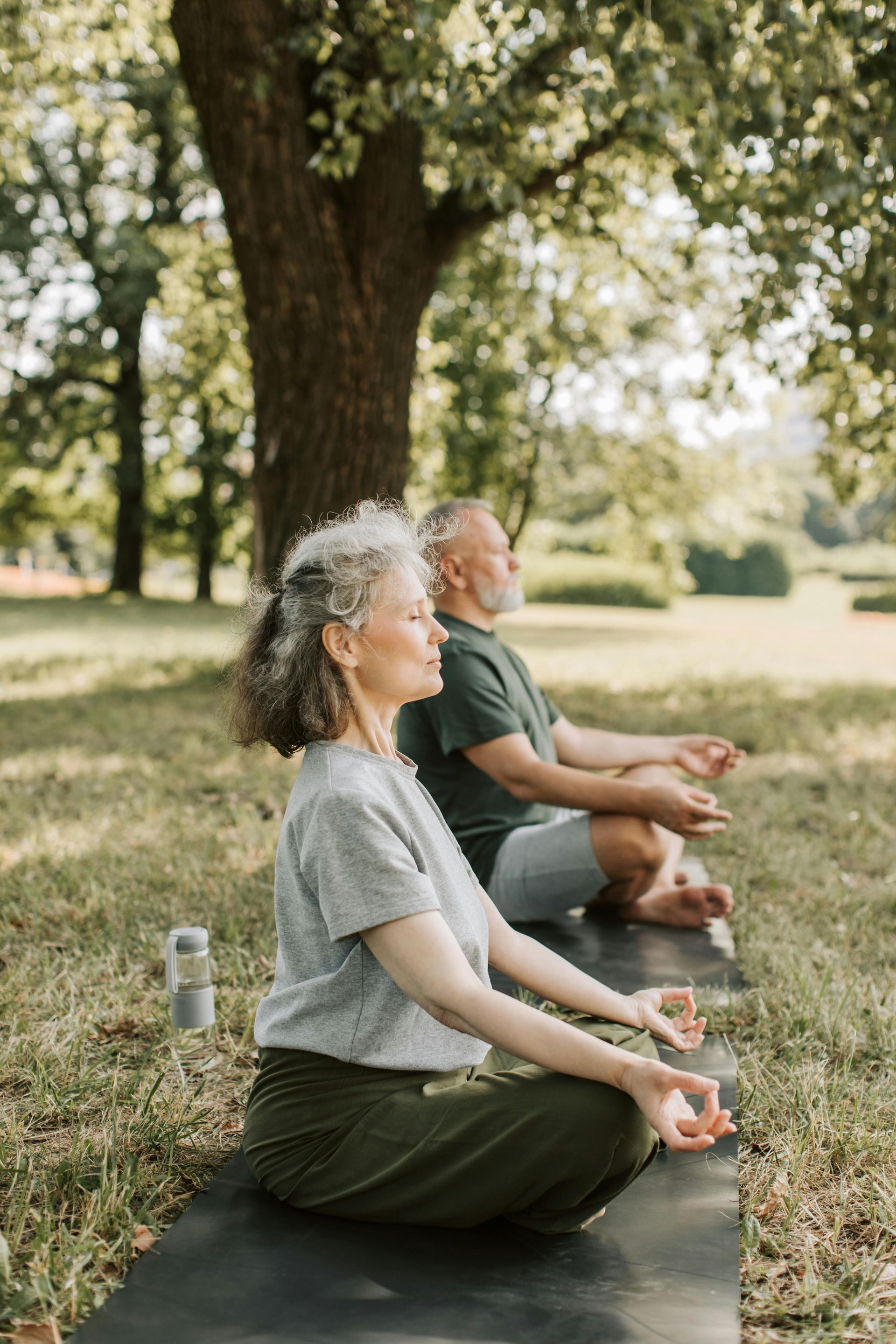
If you feel stress regularly, building healthy habits can help you handle it better.
Maintaining a balanced diet
Add fresh fruits, vegetables, whole grains, lean proteins, and healthy fats into your diet. This is an easy way to help your body and mind deal with too much stress. Avoid eating too much sugar or processed foods, since they can make you tired or irritable.
Eating a balanced diet and drinking plenty of water is important for optimal brain health. It also keeps your energy levels steady. Eating foods with omega-3 fatty acids like salmon or walnuts can help to decrease stress hormones.
Making small diet changes like these will quickly improve both your mental clarity and physical strength during difficult events.
Developing a strong support network
Strong social connections are key in maintaining a positive mood. Connecting regularly with friends and family can lessen the effect of emotional struggle during stressful times. You can also join support groups in Detroit, along with other mental health services, where you can meet with others in a group.
Spending time outdoors with with family can drastically reduces stress. In fact, the National Institute of Mental Health states that being social will naturally enhance your emotional well-being.
Having a trusted community of friends to lean on can offer comfort and distraction during more stressful times.
Surround yourself with those who encourage you and can offer advice for stress relief through a supportive community.
Benefits of Stress Management

Learning to manage stress will allow you to feel relaxed and more in control. Here are a few ways that managing it can improve your daily life.
Improved mental and physical health
Learning a few simple techniques can improve both your mind and body. Regular physical exercise like yoga or other rhythmic activities can decrease tension and improve your mood. Getting outside and spending time in nature can also enhance your memory and and ability to focus.
Warm baths, light stretching, or body massages, are healthy habits that can assist in relaxing your muscles and thoughts.
Cognitive behavioral therapy (CBT) and talk therapy are great for continuing long-term mental health improvement. Maintaining a balanced diet supports both your physical health along with emotional strength. Social connection also helps create distraction, and provides support with challenges that come up on a daily basis.
Better emotional resilience
By keeping a positive mood and accepting what is out of your control, you can increase your emotional resilience. You'll also reduce stress levels, and improve your ability to handle stressful situations effectively and calmly.
If you're local to Detroit, spending time walking outside in parks or on trails will help you gain focus and boost your overall mood. Talking regularly with friends, family, or attending local support groups can help distract from stress and create a safe space.
Spending time doing exercises like yoga or walking will improve both your physical and mental health. Small changes to your daily routine will add up and make a big difference in the long run.
Manage Stress Today
Stress may feel overwhelming at times, but it can be simple to manage it by following a few easy steps. Making time for deep breathing, physical exercise, and meditation are a few simple methods you can start with. Eating a healthy diet and creating a community to support you also help to create balance.
Taking small actions today will help you manage stress and improve both your mental and physical health over time.
FAQs
1. What are some different ways to manage stress effectively?
Try using simple strategies like deep breathing, regular exercise, and mindfulness. These methods can be part of a daily routine that allows stress to be a normal part of life, making it easier to handle.
2. Is there any fact-sheet available for stress management?
Yes, you can consult United States government websites that offer fact-sheets, helpful tips, and resources for handling stress.
3. Why is it important to see stress as a normal part of life?
Knowing that stress is a natural response will allow you keep calm and seek out healthy ways to cope instead of feeling anxious or overwhelmed by it.
4. Are there special offers or programs in the United States for learning better stress management?
You may find free workshops or discounted programs through organizations focused on teaching strategies for stress management.
Newsletter
Stay up to date by subscribing to our newsletter.
Recent Posts



SHARE THIS POST WITH YOUR FRIENDS