

The Hidden Impact Of Trauma On Daily Life-💜
CNS Healthcare • March 21, 2025
Did you know that trauma from your past can change how your brain and body work, even years later? In this post, you will learn how trauma can affect your thoughts, behavior, and emotions.
You'll also learn how to start getting your life back on track by building a support system and seeking out professional help. Keep reading to learn more.
Key Takeaways
- Trauma affects your emotions, thoughts, behaviors, and physical health. If left untreated, it can lead to many negative health conditions including anxiety, depression, PTSD, sleep problems, and chronic pain.
- After you experience a traumatic event, the amygdala becomes hyperactive. This can cause emotional reactions including fear, anger or problems focusing.
- Past trust and attachment issues may compromise relationships.
- Building a support system of family, friends, therapy groups, or community activities can accelerate the healing process.
- You can prevent long-term effects of mental health by seeking professional help through CBT or EMDR therapy.
What is Trauma?

Trauma is when an individual displays a
strong emotional response
to a painful or shocking event. A traumatic event may stem from any type of past issue. Example include childhood abuse, sexual abuse,
domestic violence, family violence, natural disasters, or even losing a loved one.
Trauma can also result from car accidents or other stressful situations. While these events eventually pass, your ability to cope is often overwhelmed. This can create lasting effects on your mind and body.
Over time, psychological trauma can change how your brain functions. Your emotions will become more difficult to regulate. This stress response may lead to issues like
intrusive thoughts, panic attacks, anxiety disorders, and sleep disturbances. Physical symptoms like chronic pain are also likely to occur.
You may also notice that stress affects your
relationships with family members. Self esteem issues are also common when dealing with emotional trauma.
How Trauma Affects Daily Life

Trauma affects the way you feel, think, and act every day. It can disrupt your emotions, thoughts, and body in ways you were not aware of.
Emotional Responses
After going through a traumatic experience,
you may experience
strong emotions, high levels of guilt, shame, or rage. These are common reactions to difficult events that cause emotional distress. They can also eventually lead to conditions like anxiety and depression.
Emotional numbness or dissociative states may occur in more serious cases.
Post-traumatic stress disorder is a condition in which your nervous system becomes extra sensitive. This can lead to symptoms like being over paranoid in daily life.
PTSD may also cause
recurring emotional responses like fear and helplessness.
These symptoms can make it more difficult to trust those close to you or maintain healthy relationships in general. The long-term impact of these symptoms on mental health outcomes can lead to many issues, such as low self-esteem and suicidal thoughts.
Cognitive Impacts
Trauma can affect how your brain works every day. You might have trouble focusing, remembering things, or making decisions.
Trauma makes your amygdala hyperactive, which can negatively effect your emotional responses and stress reactions.
You may experience intrusive thoughts that leave you unfocused or overwhelmed.
Complex trauma occuring during childhood can take a significant toll on brain development.
Long-term mental health problems may appear after a traumatic event. These may include anxiety, depression, identity issues, and trouble trusting others.
Behavioral Changes
Emotional responses to trauma as well as your thought patterns will directly effect your day to day actions. Subtle changes in behavior like avoidance or increased moodiness after a stressful event are common. Some people may even develop paranoia or pull away from close relationships.
When normal coping mechanisms are not enough, those struggling may turn to drug use or substance abuse. This can lead to a decline in physical health, further impacting a person's mental well-being. You can work towards managing these adverse effects early on by seeking out support services specialized in mental health.
Physical Symptoms
Your body may also experience long-term consequences of trauma. Symptoms may include muscle tension, frequent headaches, chronic pain, or even sleep disorders. Without professional support, these symptoms can get worse over time.
Rapid heartbeat, sweating, or stomach issues like nausea are a direct effect of
stress and anxiety. Chronic diseases including heart problems or weakened immunity can develop over the long-term without treatment.
Long-Term Effects of Trauma

Trauma can make a deep impact on both your mind and body. This can effect how you live, work, and connect with others on a daily basis.
Health Complications
Ignoring your trauma can be detrimental to your health. When left untreated, it can lead to anxiety, depression, or even posttraumatic stress disorder. Physical conditions like heart disease, high blood pressure, or chronic pain are also symptoms from stress.
Substance use disorders are common for those who have experienced a history of childhood trauma.
Trauma
can cause emotional reactions like fear and anger to occur more frequently. The long-term effects of trauma are many, but may include sleep conditions, headaches or fatigue that can make daily life much more difficult.
Getting primary care and support with trauma is crucial to address both your mental and physical symptoms. You need to get ahead of the problem before it gets worse and causes more damage.
Relationship Challenges
In relationships,
you may have
a
hard time
forming close bonds because of trauma. After experiencing emotional abuse, or physical abuse, you might find it hard to trust people. Those closest to you might feel distant. This can make healthy connections difficult to maintain.
Untreated trauma weakens the strength of close relationships, creating a negative impact on your mental health. Guilt, shame, rage, and other strong feelings can lead to unnecessary conflicts with your loved ones.
Attachment problems may develop from past childhood trauma and last into adulthood. Starting trauma-informed care or joining peer support groups can help you rebuild relationships after trauma.
Coping Mechanisms and Resilience
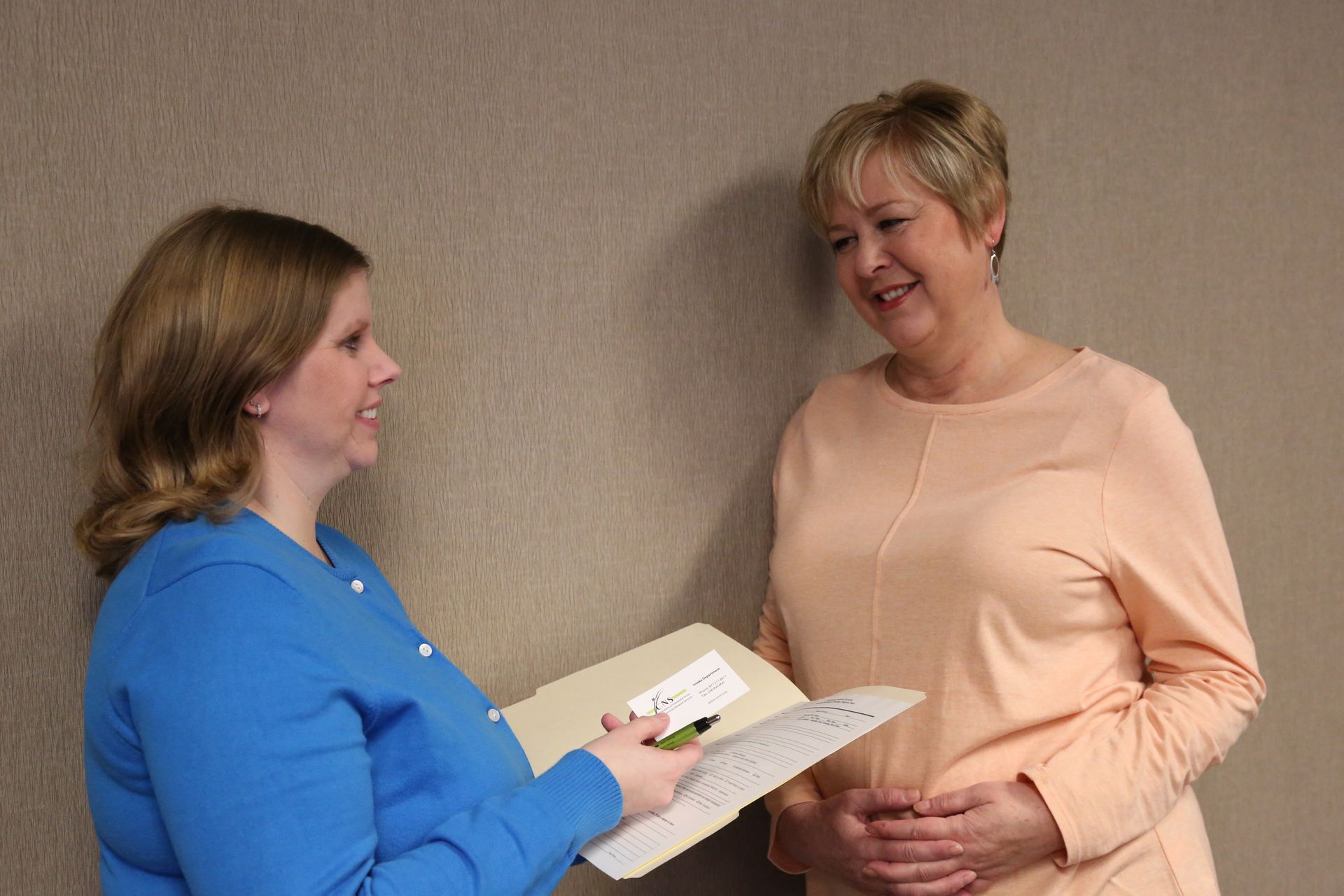
Re-building relationships after you experience trauma is a process. However, by focusing on small steps, you can regain control and create balance in your life.
Building Support Systems
Support systems are crucial for dealing with
past trauma. They will build community and teach you the necessary tools for recovery.
- Family and friends can offer emotional support and assistance during stressful times.
- Connect with support groups like the National Center for PTSD. They can connect you with others dealing with trauma.
- Research mental health services and resources in your area like CNS Healthcare in Detroit. For urgent help, contact the Substance Abuse and Mental Health Services Administration.
- Rebuild trust and strengthen relationships by engaging in community activities.
- Look for online communities focused on social media focused around mental health issues and healing.
Seeking professional help is just one step that can speed up healing from past trauma.
Seeking Professional Help
Working with mental health specialists can help to reduce the negative effects of trauma in your life.
- Cognitive-behavioral therapy is one approach administered by licensed therapists that addresses negative thoughts and behaviors tied to trauma.
- Eye Movement Desensitization and Reprocessing therapy is another option that uses guided eye movements to deal with traumatic memories.
- Many Oakland County clinics offer affordable access to mental health services, some offering sliding-scale fees.
- Clinical trials through trauma-focused therapies can reduce symptoms of PTSD, anxiety, and depression over the long term.
- Getting help with mental health care early can prevent long-term issues. If left untreated, childhood trauma can result in ongoing conditions like depression.
- Many Oakland County centers specialize in helping kids recover from child trauma and emotional injuries specifically.
- Medication prescribed by a psychiatrist can help to manage more extreme symptoms, including insomnia or panic attacks.
- Professional help can also help with suicide prevention efforts. Therapists will assess risks and support you with managing in moments of crisis.
- Physical activity is also important to lower stress hormones and generally improves your mental health throughout recovery.
Get Support At CNS Healthcare in Detroit
Trauma can impact many parts of your life, from feelings to your health. It has the ability to negatively effect your emotions, thoughts, and behavior. Getting timely support can make a significant difference.
Connecting with others and building strong relationships will improve your mental health and well being. Take steps today to heal your trauma so you can enjoy a healthier future.
FAQs
1. What are common responses to trauma in daily life?
Anxiety, sadness, or trouble focusing are common responses. They can vary based on the type and severity of the trauma.
2. How does childhood trauma impact mental health?
Childhood trauma may increase the risk of developing mental illness later in life. Emotional regulation and relationships are other areas where an adult may struggle.
3. What are some hidden impacts of trauma on daily routines?
Past trauma may cause sleep problems and other health issues. It may also affect how you handle stress and stay focused at work or school.
4. Why is understanding the impacts of trauma important for healthcare in the United States?
Recognizing how trauma affects people allows healthcare providers to offer better support. This includes both physical symptoms and mental health needs and tailoring support for each unique need.
Newsletter
Stay up to date by subscribing to our newsletter.
Recent Posts



SHARE THIS POST WITH YOUR FRIENDS