

How Children's Mental Health Activities Help Kids Relieve Stress-💜
CNS Healthcare • February 6, 2026
We usually think of kids as carefree and playful. After all, what do they have to worry about? More realistically, we know that many children suffer from stress on a daily basis. This stress may stem from school, family, or even just their daily routine.
Fortunately, there are many children’s mental health activities that are a great way to help stressed out kids learn emotional regulation and build coping skills. In this post, we'll share a few simple activities that can make a difference in your child’s mental health, as well as some more long term solutions for local Detroit residents.
Key Takeaways
- Drawing and other creative tasks are great for helping kids of all ages express their emotions.
- Deep breathing exercises and mindfulness activities teach them how to emotionally regulate and calm down when they are experiencing a stressful moment. Sharing these techniques through simple videos makes it easy and fun to follow along at home or school.
- To improve overall mood, children can participate in physical activities to boost endorphins. Physical education programs at schools help kids get outside and move so they can reduce stress.
- Outdoor activities like running, biking, or hiking can support a child's emotional well-being and provides them with simple ways to release stress through movement.
- Together, these efforts can build resilience and long-term coping skills in kids, while supporting positive mental health.
Creative Activities to Relieve Stress
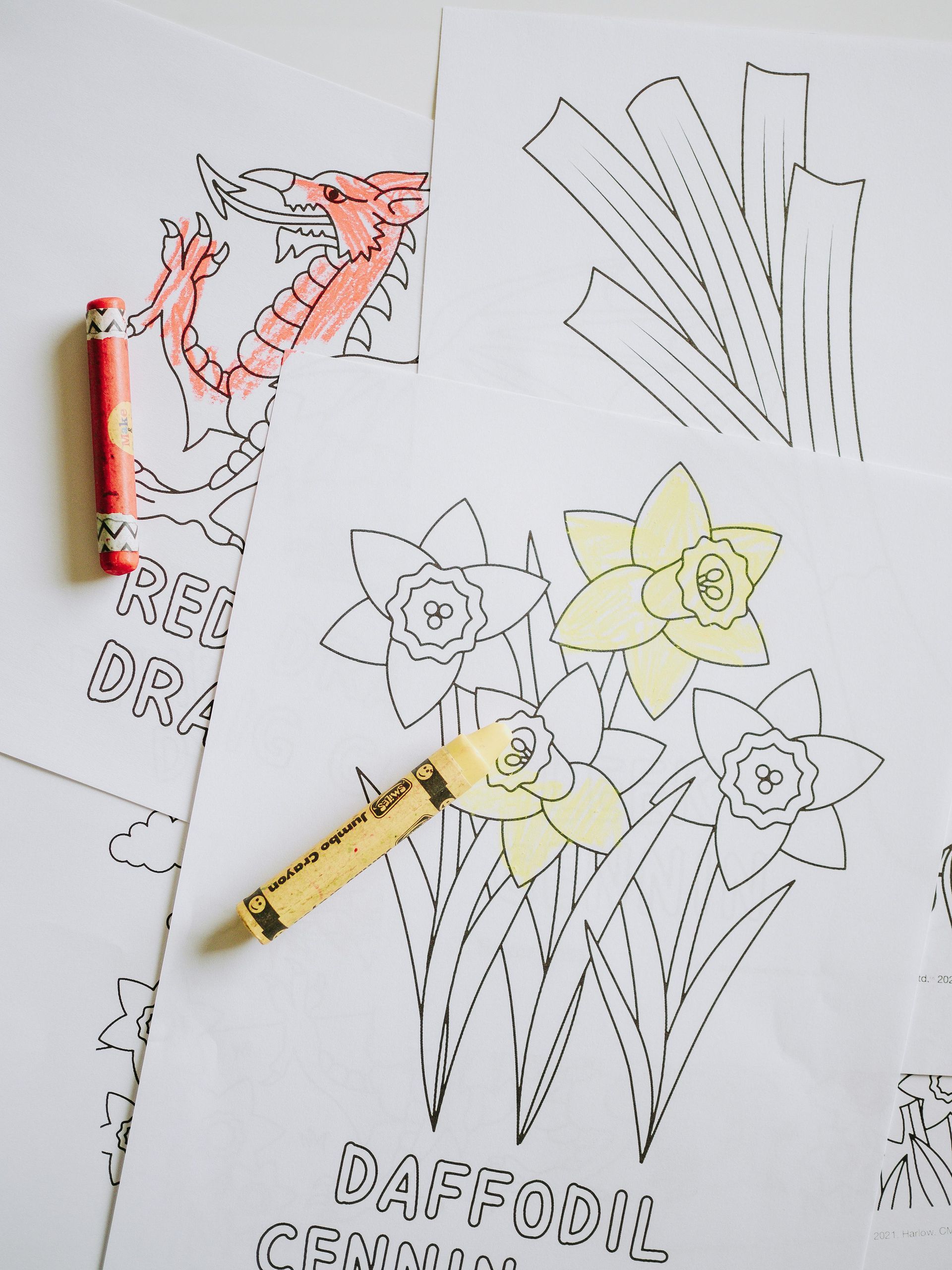
Creative activities like coloring, singing, and dancing help children express their emotions in a fun and easy way.
Drawing and coloring
Drawing and coloring are soothing activities that provide kids with a calming way to express feelings and emotions. You can look for workbooks that are designed to guide children through their emotions through pictures and words. Gratitude journaling is another activity that encourages positive thinking and mental health awareness.
These types of engaging activities can improve your child's emotional literacy, as well as build up their self-confidence when it comes to social interactions. Mental health is less scary for kids when they can express their feelings through fun, familiar resources.
Mindfulness Practices for Stress Relief
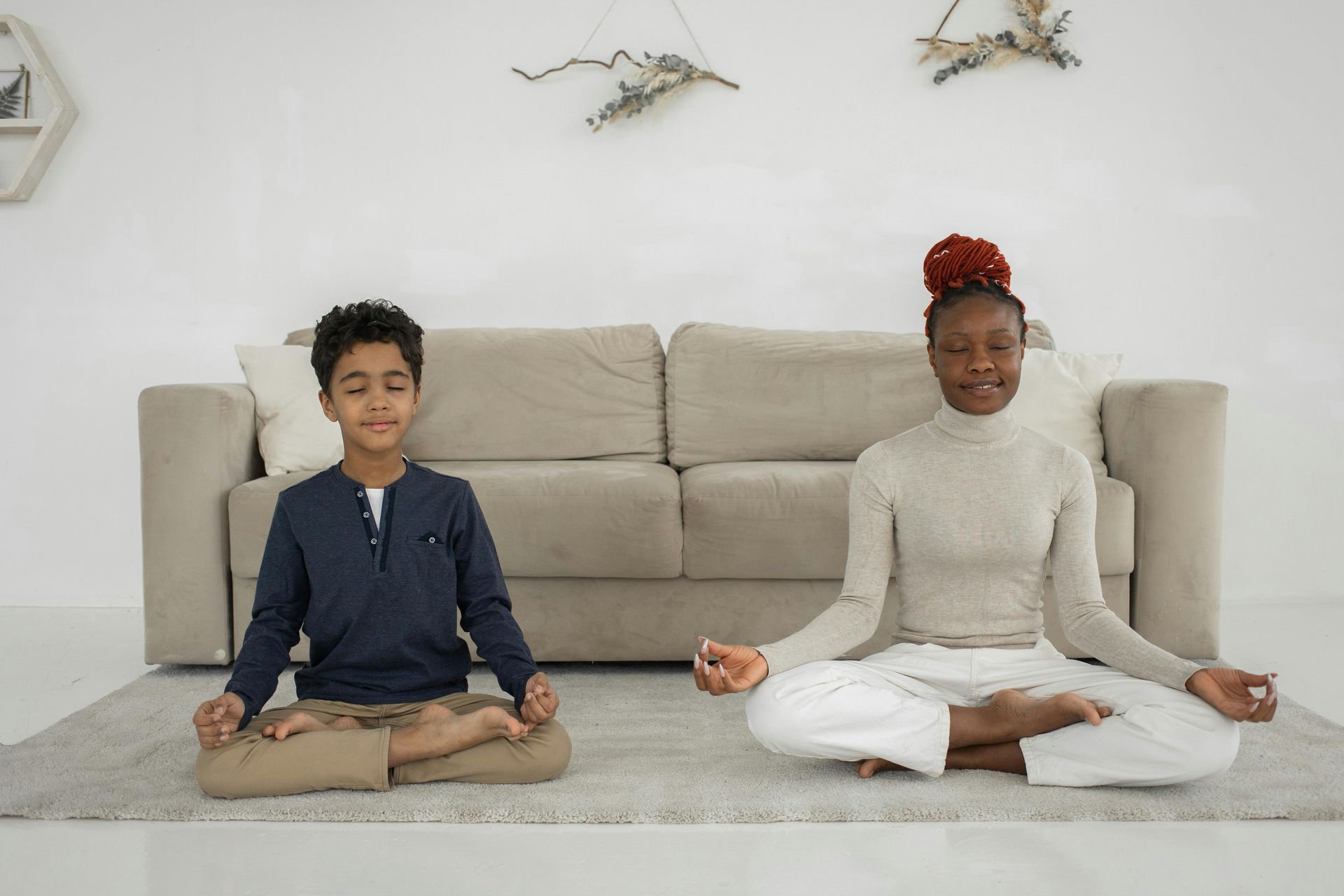
Mindfulness practices such as deep breathing are valuable tools your child can use to deal with their stress. Deep breathing exercises work to ground them when they feel overwhelmed.
Deep breathing exercises
Deep breathing exercises are a great tool to teach children so they can better
manage their stress. Through learning these coping mechanisms, they are building a powerful tool to overcome life's challenges.
- Finger Breathing, also known as Five Finger Breathing, is a simple way kids can ground themselves. They learn to trace their fingers while taking controlled, deep breaths. This calming exercise can assist in centering attention on the present moment and slowing down thoughts.
- Balloon breath is another playful breathing strategy. First, the child imagines their belly as a balloon. They then practice taking deep inhales to inflate, and then deflate their 'balloon' as they exhale. This visual is helpful for kids of all ages in learning how to control their breath.
- You can easily incorporate these exercises into relaxing routines at home and in the classroom for young children.
- Look for mindfulness videos that demonstrate these deep breathing techniques, specifically for children. Kids respond well to interactive videos that make the learning process more fun.
- Regular implementation of these deep breathing strategies will allow children to better manage their anxiety over time.
When kids begin to use deep breathing in their daily life, they'll benefit from better emotional health, and have the essential tools they need to cope with stress management and big feelings.
Physical Activities to Boost Mood
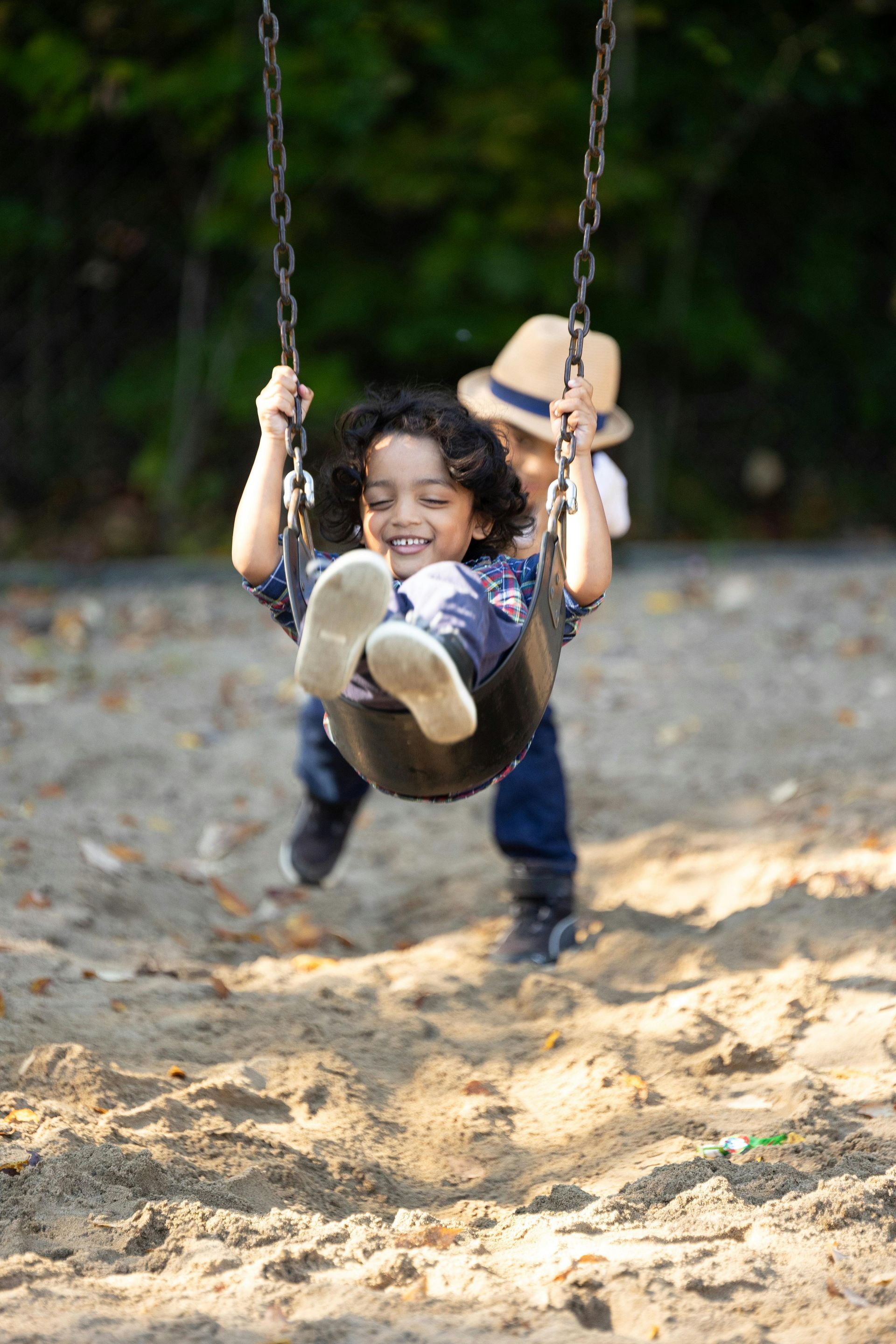
Physical activities are some of the best mental health activities your child can participate in. Playing outside and having dance parties builds joy and also encourages physical exercise.
Dancing or outdoor play
When kids are outdoors and moving around, they relax and become less stressed. Dancing is known for releasing endorphins, which can lead to better positive mental health in children. This type of movement is fun for kids of all ages, even older kids.
Spending time outside is another great way to encourage emotional development. Even normal activities like running, biking, hiking, and playing sports help kids connect with their environment, friends, and loved ones while releasing what are known as “happy hormones.”
Regular outdoor play is not only important for a child's physical health, it also gives younger kids a simple way to deal with their stress through being active.
Build Your Child's Mental Health Routine
Fun mental health activities are wonderful tools for emotional awareness if your child is struggling with regular stress. Easy exercises like creative writing, drawing, and board games, are a comforting way for kids to express their emotions.
Deep breathing exercises teach them how to slow their thoughts and be present. Physical activities quickly improve mood and encourage healthy relationships with other children too.
While simple strategies such as deep breathing and creative play can be helpful as coping mechanisms, if your child is in need of more comprehensive care, you'll need support. Connect with us at CNS Healthcare to get to the underlying cause of stress instead of just fixing the symptoms. Our expert providers are here to help!
FAQs
1. What type of children's mental health activities can relieve stress?
Physical activity, music therapy, and board games are great activities and free tools that can ease stress. These are both useful and fun ways to learn social skills that can result in a positive impact on children's emotional wellbeing.
2. How do breathing techniques and mindfulness support kids’ mental wellbeing?
When you practice mindfulness techniques such as deep breathing, it becomes easier to calm the mind. Exercises like "Finger Breathing" help children deal with negative thoughts and build up emotional resilience.
3. Why is Gratitude journaling important for kids' emotional wellbeing?
Gratitude journaling or using a gratitude jar centers a child's focus on the positive aspects of their lives. This simple activity keeps kids present and grateful for the many positive experiences they've had, improving their mood and well-being.
4. Can acts of kindness improve a child’s mood or reduce stress?
Acts of kindness promote empathy as well as build up social-emotional learning skills. When children are kind to each other, it creates a supportive environment where every child feels valued.
5. How does quality time with family or friends affect children's mental health?
Quality time is imperative for building healthy relationships with family and friends. These safe spaces allow children to feel free to open up about their feelings when needed.
6. Where can parents find free resources or tools for supporting kids’ mental health at home?
For free resources on mental health education, connect with local organizations that specialize in children's mental health care and support. You can look up kindness activities, videos, and workbooks online, and even speak with a school counselor for more advice.
Newsletter
Stay up to date by subscribing to our newsletter.
Recent Posts



SHARE THIS POST WITH YOUR FRIENDS