

Understanding Suicidal Ideation and Intrusive Thoughts-💜
CNS Healthcare • May 15, 2026
Many people wonder whether their intrusive thoughts about death represent an emergency, a mental illness, or just a passing response to stress. In conversations about suicidal ideation, the most important starting point is accuracy. Using specific language can improve the detection of suicide risk and help people get the right level of support.
In this guide, we'll explore what these thoughts can mean and what is cause for concern. You'll also discover how clinicians assess danger, and what practical steps can protect your safety.
Key Takeaways
- Suicidal thoughts are a symptom and a signal. They are not a character flaw or a verdict of the future.
- The main priorities are to assess urgency, get support early, reduce access to lethal means, and follow a clear safety plan.
- Ongoing follow-up is essential after a moment of crisis. This is especially important during transitions like changes in medication, hospital discharge, relapse, or major loss.
- Recovery is often uneven, but timely care, honest conversation, and structured safety measures can reduce risk.
- Take warning signs seriously, even when they sound passive. Ask directly and get professional help early. Safety planning and means safety save lives.
What Suicidal Ideation Means

Suicidal ideation refers to thoughts about death, dying, or ending one’s life. These thoughts can range from brief and vague to persistent and highly specific. A useful clinical distinction is that thoughts exist on a spectrum. This means the presence of distressing ideas does not automatically equal immediate danger, but it does always deserve attention.
Passive suicidal ideation usually means wishing not to wake up or wanting to disappear without a suicide plan. Active suicidal ideation involves thinking about methods, timing, or steps toward action. An actual suicide plan, rising suicidal intent, or rehearsal behavior can be warning signs. These signs show a shift from internal suffering toward a possible suicide attempt.
People with trauma, depression, grief, or severe stress may experience these thoughts without wanting to die in a fixed or settled way. That is why person-first assessment matters: having thoughts is not the same as having intent. However, both deserve compassionate support because suicidal thoughts are common across many treatable conditions.
Passive vs. Active Suicidal Thoughts
Passive thoughts can sound less urgent, but they still require clinical evaluation. Hopelessness and social isolation can deepen quickly under pressure. A person who says, “I wish I could go to sleep and not wake up,” may not have a plan, but that statement still marks elevated distress.
Active thoughts involve greater urgency. When a person identifies a method, expresses intent, or begins planning, they need immediate help. In practice, clinicians treat specificity as meaningful risk. Clear thinking about how to die often reflects higher short-term risk.
Suicidal Ideation vs. Self-Harm
Non-suicidal self-injury (NSSI), can occur without the intent to die. It may function as emotional relief, self-punishment, or a way to regulate overwhelming states. Even so, suicide risk assessment should not assume safety. Repeated self-harm can coexist with increasing feelings of despair and less fear of injury.
A careful evaluation explores intent, the function of the behavior, and access to lethal means. Lethal means counseling is one of the most practical ways to reduce immediate danger.
This may include discussion of access to firearms, medications, and other highly dangerous methods. Beyond this, a crisis hotline can support next-step decisions in real time.
Common Causes and Contributors

Suicidal thinking is usually multi-factorial, not the result of one event or one diagnosis. Effective crisis intervention must address the full picture: biology, psychology, relationships, environment, and any substance use disorder or alcohol use that could increase impulsivity.
Some mental health conditions strongly correlate with thoughts of suicide. These include major depressive disorder, bipolar disorder, PTSD, anxiety disorders, and substance-related conditions. The common thread is not simply sadness. Instead, it's a combination of pain, hopelessness, agitation, and impaired problem-solving that can narrow a person’s sense of options.
Medical and neurological factors also matter, especially chronic pain, sleep disorders, traumatic brain injury, and severe illness. Acute stressors often act as accelerants. These may include relationship loss, financial crisis, legal problems, bullying, sleep deprivation, discrimination, and grief. They turn chronic risk into immediate danger.
Risk Factors vs. Triggers
Risk factors raise baseline risk over time, while triggers intensify thoughts in the near term. A history of attempting suicide, trauma exposure, and substance misuse are solid predictors. The American Association of Suicidologyhas long stressed that past behavior is a strong sign of future risk.
Triggers are often recent events such as a breakup, job loss, public embarrassment, or sudden housing instability. Suicide prevention works best when clinicians reduce long-term risk while also planning for predictable short-term spikes.
Protective Factors That Buffer Risk
A great support network, coping skills, access to health care, cultural or spiritual beliefs are all protective factors that can reduce risk. Responsibility to children, family, or community also play a role. Protective factors do not eliminate risk. However, they can create enough pause to make survival more likely during a time of crisis.
Reducing access to lethal means is one of the strongest evidence-based protective steps. Time and distance save lives because many suicidal crises are brief. Delaying action can allow the most dangerous impulse to pass.
What Are Intrusive Thoughts?

Intrusive thoughts are harmful or upsetting thoughts, pictures, or urges that can appear in your mind. They may be images or thoughts of harming yourself or even suicide. Just because you experience an intrusive thought doesn't always mean you are planning to actually go through with it. However, you should get support when you have a thought that involves suicide so you're not facing them alone.
How Intrusive Thoughts Can Cause Harm
These types of thoughts can be disturbing and stressful. This is especially true when you are having them regularly, or they portray self-harm or suicide. They can make it difficult to concentrate on your day to day activities, as well as cause an increase inanxiety, fear, or hopelessness.
If you are experiencing recurring suicidal thoughts, seek support right away. This should always be taken seriously. Confiding in a mental health expert or a trusted friend or family member can make it easier to understand what you're going through. It can also help you find the right support for your needs.
Intrusive Thoughts You Might Have and What to Do
Intrusive thoughts can appear in your mind in many forms. You may imagine or picture your own death, or think about ways you could hurt yourself. You might even wonder what it would be like if you were no longer alive.
You might question why you're thinking about dying, or feel shame around it. Other intrusive thoughts may appear as frightening images in your mind and be overwhelming.
If your intrusive thoughts involve suicide, talk to a trusted friend or family member right away. Take the time to seek out the right professional help.
If you are tempted to act on a suicidal thought or feel unstable, reach out to your local emergency services. You can also walk into the nearest emergency department. Help is available if you are experiencing a crisis. Getting help quickly can save your life.
Warning Signs to Take Seriously

Warning signs are most concerning when they represent a change from a person’s usual behavior. Suicide risk often becomes visible through patterns. These patterns might look like withdrawal, agitation, insomnia, increased substance use, hopelessness, or statements about being a burden.
Imminent risk indicators include mentioning wanting to die, seeking means, or giving away possessions. You may also notice someone saying goodbye, or suddenly appearing calm after severe distress. Sudden calm can reflect a decision to act rather than genuine recovery.
Verbal and Written Cues
Phrases like “I can’t do this anymore,” “Everyone would be better off without me,” or posts about death should be taken literally. Always ask follow-up questions. Indirect cues still count, especially when they appear alongside mood shifts, isolation, or collapsing daily functioning.
Behavioral Changes
Warning behaviors include missing work or school, reckless driving, withdrawing from friends, organizing affairs, or obtaining medications or weapons. Trusting your concern is clinically wise. Waiting for certainty can waste the time in which intervention is most effective.
Evidence-Based Treatments That Reduce Suicidal Thoughts
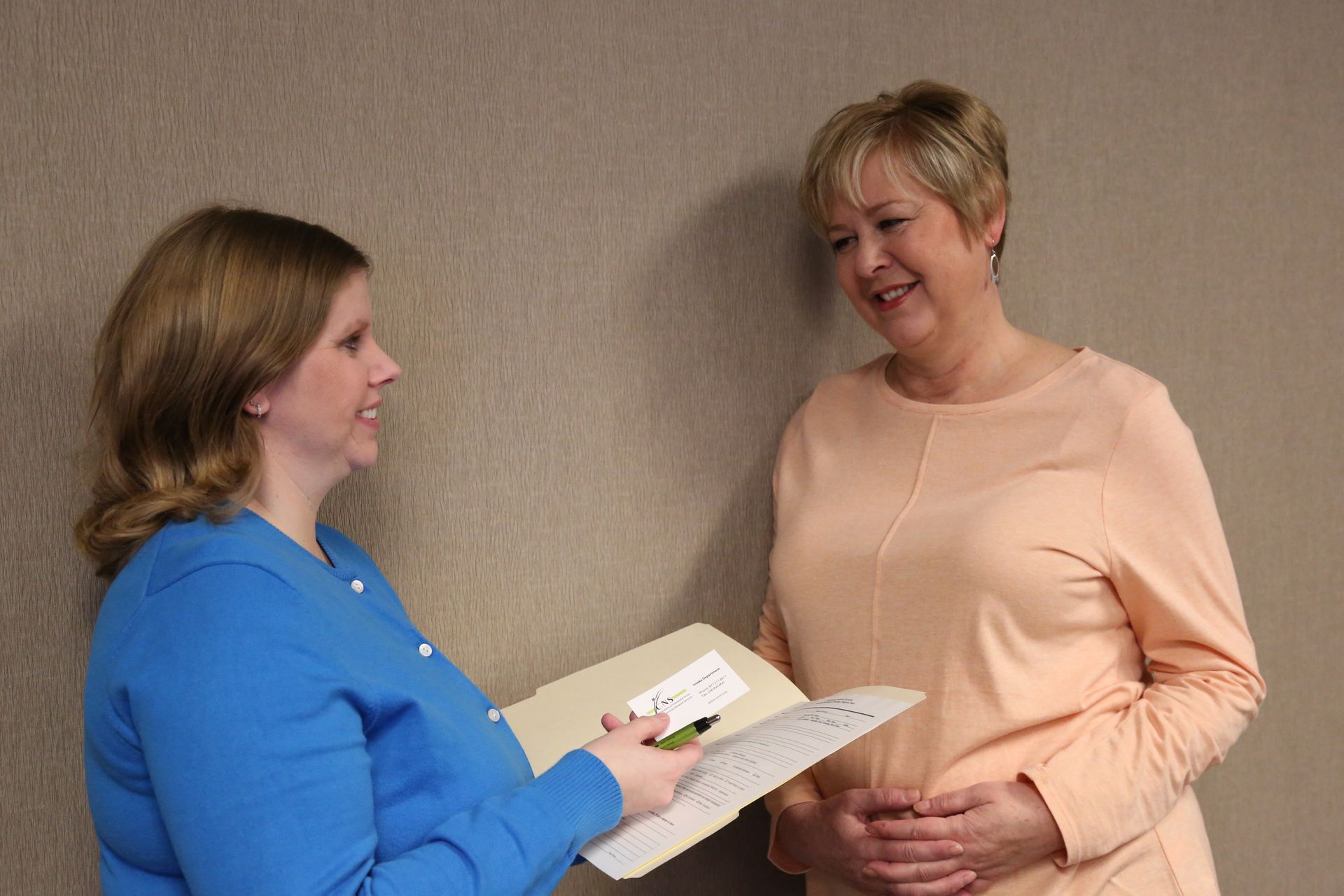
Treatment can reduce a person's immediate danger while addressing the conditions driving the crisis. Common conditions include depression, trauma, pain, insomnia, or substance use. Short-term stabilization without ongoing treatment often leaves the original risk untouched.
Psychotherapy has shown strong evidence that medication can help when underlying disorders are present. This may include major depression, bipolar disorder, or PTSD. CNS Healthcare’s integrated medical services are useful in this case.
Suicidal crises are often a result of psychiatric symptoms, medical burden, social stress, and stressful life events. This combination is more common than having one diagnosis alone.
Therapies Commonly Used
CBT and CBT-SP help people identify distorted beliefs, reduce hopelessness, and build coping strategies for future crises. DBT is especially useful when suicidal behavior is linked to emotion dysregulation, chronic self-harm, or intense interpersonal stress.
Collaborative Safety Planning
In a safety planning intervention a mental health professional will create a sequence of safety actions for you to follow. This plan will include warning signs, coping steps, supportive contacts, and professional resources. A practical plan works best because people in acute distress require clear steps, not abstract intentions.
What to Do If You’re Experiencing Suicidal Thoughts

Pause and treat the moment as a safety issue, not a test of willpower. First, stop isolating yourself and tell another person exactly what is happening. Avoid alcohol or drugs that can increase impulsivity.
Use short-term coping to get through the next hour. Use grounding strategies such as slow breathing, cold water, or stepping outside briefly. Delaying any decision can lower intensity enough to create room for help.
A Practical 10-Minute Plan for the Next Hour
Tell one trusted person, “I do not feel safe with my thoughts right now,” and do not stay alone if you feel any risk of harm is increasing. Move to a safer place and secure medications, firearms, and sharp objects if possible.
When It’s an Emergency
If you have intent, a plan, or access to means, seek immediate help. Reach out to local emergency services or the nearest emergency department. Crisis lines like 24/7 help lines can provide real-time virtual care and help connect you to local resources during the most dangerous window.
Get Help Now at CNS Healthcare
CNS Healthcare offers professional mental healthcare services for those in need of crisis intervention or Rapid Access Mental Health Services. We work on a sliding fee scale, so your visits stay affordable.
You are not alone. Reach out to us at CNS Healthcare in Detroit for crisis intervention, medication management, and to speak to someone right away. You can also call the 988 Suicide & Crisis Lifeline for help. Get the support you need today!
FAQs
1. What are five signs that a person may be depressed and suicidal?
Common signs include hopelessness, withdrawal, major sleep or appetite changes, increased substance use, and talking or writing about death. Sudden behavior changes make these signs more concerning.
2. How do therapists treat suicidal ideation?
Therapists typically start with a suicide risk assessment, then build a safety plan. They often use evidence-based therapy such as CBT or DBT. Treatment, whether therapy or medication like antidepressants can target underlying conditions like depression, trauma, or substance use.
3. What decreases suicidal ideation?
Effective therapy, appropriate medication, strong social support, better sleep, and reduced substance use can all help. Reducing access to lethal means and using a practical safety plan also lowers short-term risk.
4. What assessments are used for suicidal ideation?
Clinicians often use the C-SSRS and screening tools such as the PHQ-9, especially item 9. Those tools are followed by a full clinical evaluation of intent, plan, means, past behavior, and protective factors.
Newsletter
Stay up to date by subscribing to our newsletter.
Recent Posts



SHARE THIS POST WITH YOUR FRIENDS