
How to Relieve Stress With Simple, Evidence-Based Strategies-💜
CNS Healthcare • May 8, 2026
Stress often appears before you even realize it. You might notice your jaw is tight while writing an email, or shallow breathing while in traffic. For many adults, learning how to relieve stress starts with recognizing that these reactions are not random failures. In fact, they are predictable body responses.
In this guide, you'll learn what triggers stress, along with effective stress relievers. You'll also learn how daily habits, exercise, and support systems can reduce stress over time.
Key Takeaways:
- Panic symptoms can disrupt your daily activities, causing headaches, stomach issues, racing heart, poor sleep, fatigue, and more.
- Learn effective coping skills to manage your stress. Simple lifestyle habits like practicing mindfulness and building social support can lower stress significantly.
- Building a strong support system where you connect with people can reduce stress and create community.
- If you're in need of professional mental health care in Detroit, Michigan, contact CNS Healthcare for personalized care.
What Is Stress And When Does It Become A Problem?

Stress is the body’s built-in response to challenge. In small doses it can sharpen attention, increase energy, and help you act quickly. The problem begins when a useful alarm system stops turning off. Chronic activation can change your sleep, mood, concentration, and physical health.
Chronic activation can change your sleep, mood, concentration, and physical health in ways that disrupt your day-to-day activities.
Acute stress is short-term and tied to a specific demand, like a deadline or difficult conversation. Chronic stress lingers for weeks or months. Over time, your nervous system, endocrine system, and immune system all pay a price.
Stress can appear physically in the form of headaches, muscle tension, stomach upset, and fatigue. It displays emotionally as irritability or anxiety. Cognitively you might notice racing thoughts or forgetfulness.
Behaviorally it may appear as withdrawal or overeating. Even simple stretching can reveal how much stress the body is carrying. Your shoulders, hands, and jaw often stay tense long after the original trigger has passed.
Common Stress Triggers
The Mayo Clinic consistently identifies work pressure, money strain, and relationship conflicts as common stress drivers. Other triggers include caregiving, health concerns, and major life transitions. Modern stress is also amplified by constant notifications and information overload. These keep the brain in a state of low-grade vigilance instead of true rest.
How Stress Impacts Everyday Life
The CDC and other public health sources note that stress commonly disrupts sleep, appetite, focus, and emotional regulation. Good sleep hygiene is essential because poor sleep is not just a symptom of stress. Poor sleep also lowers frustration tolerance and makes the next stress spike harder to manage.
Relieve Stress Fast: In-the-Moment Tools (1–10 Minutes)

You can achieve fast relief when you address both physiology and attention. Stress is rarely just “in your head.” The NHS often emphasizes taking brief, practical actions you can use anywhere. Using a coping skill is only helpful if you can put it into action easily.
Breathing Techniques That Downshift the Nervous System
Deep breathing can slow your stress response by extending your exhale. Longer exhale breathing signals safety in your body. Try box breathing for two minutes at 4-4-4-4. You can also inhale for four, then exhale for six while repeating a cue such as “soft jaw, drop shoulders.”
Breath work becomes more effective when paired with grounding techniques. This allows your attention to focus somewhere elsewhere when your body begins to settle. If your mind keeps racing, notice five things you see or feel your feet pressing into the floor while you breathe.
Grounding and Reset Practices
The 5-4-3-2-1 method shifts your attention from internal alarm to present-moment sensory data. This can interrupt any spiraling thoughts.
A brief body scan or practicing progressive muscle relaxation can also help. Start by unclenching your hands, relaxing your forehead, and lowering your shoulders. This sends the brain updated information about threat level.
Quick Movement and Sensory Shifts
Disconnect for 10 minutes by taking
a short walk, stair climb, or do one minute of yoga stretching to discharge stressful energy. You can take control of your environment and get back on track. Try stepping outside, listening to calming music, or getting fresh air and sunlight. These actions reduce sensory load and create a faster reset.
Build Daily Habits That Lower Baseline Stress
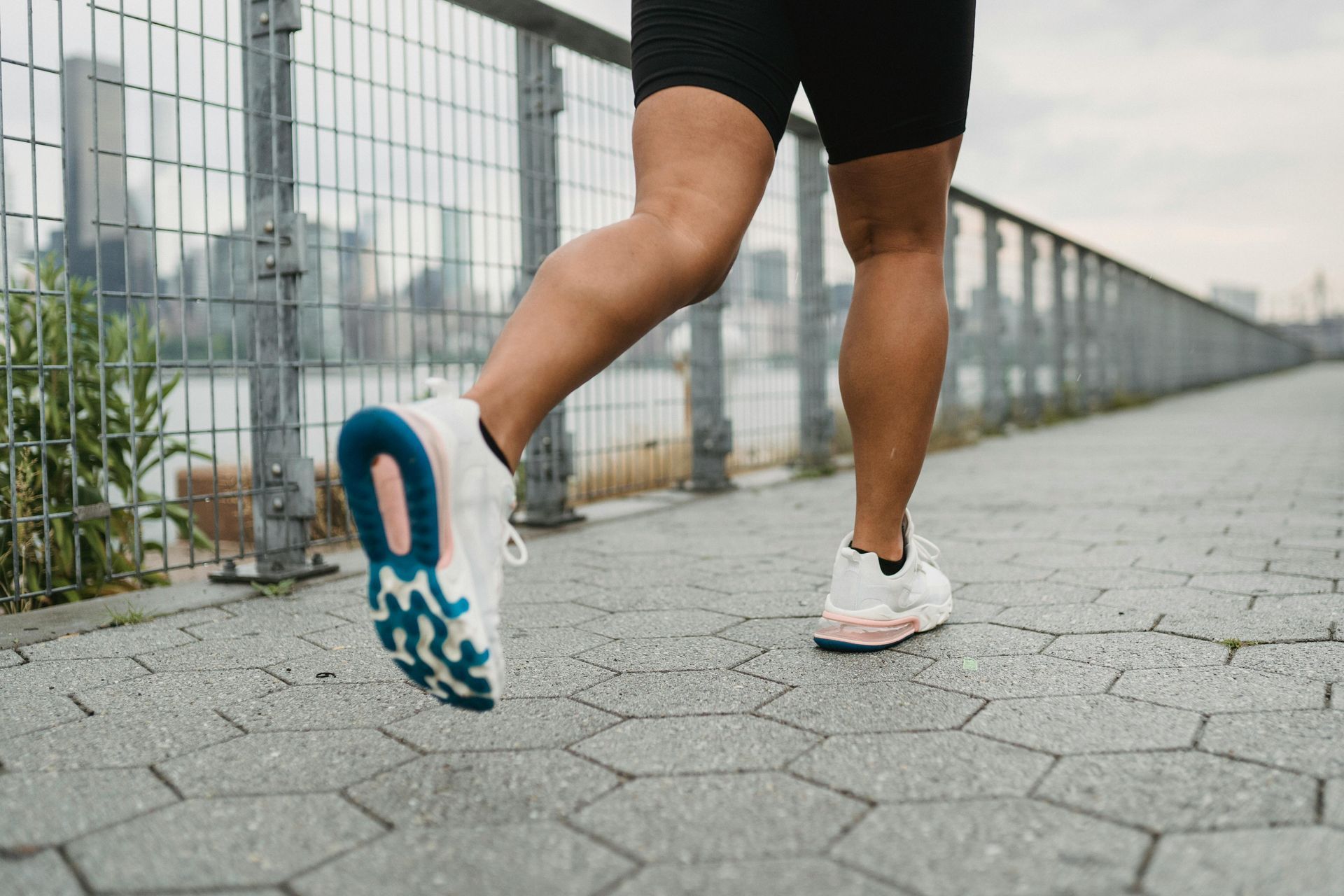
The most reliable stress reduction strategy is not a single rescue technique but a lower daily baseline. Small habits act like stress relievers, and consistent recovery makes the nervous system less reactive when pressure rises.
Move Your Body
Regular physical activity reduces
muscle tension, improves mood regulation, and helps metabolize stress hormones. Walking is especially effective because it's accessible and easier to sustain. More ambitious exercise plans often fall through after one busy week.
Movement breaks of two to five minutes can also help during the workday. Brief spurts of exercise improve circulation and create a practical bridge between sedentary stress and emotional reset.
Sleep and Recovery Basics
A
consistent wake time will anchor your body clock more effectively than attempting to create a perfect bedtime. Reducing unhealthy habits like afternoon caffeine can protect your sleep. Other tactics like creating a wind-down routine, or a short worry list before bed can also help.
Recovery also improves when people spend time outdoors, especially earlier in the day. Natural light supports circadian rhythm, and that makes stress tolerance more stable the next day.
Nutrition and Substances: What Helps vs What Backfires
Eating a balanced diet with regular meals and whole foods keeps your energy, concentration, and mood steady. Hydration is also critical. Blood sugar swings may feel like emotional instability. Nutrition is often a hidden stress variable rather than a separate issue.
Alcohol may feel calming in the moment, but it often disrupts your sleep quality. It can create next-day anxiety, and increases mood volatility. This same pattern applies to nicotine and excess stimulants. Short-term relief usually creates a longer stress rebound.
Strengthen Long-Term Coping Skills

Lasting change results from effective
stress management skills that reduce reactivity over time. The
strongest approach will combine cognitive tools with behavioral tools. This type of self care is powerful and healing for both physical and mental health.
Mindfulness and Meditation
Mindfulness can begin with three minutes of attention to breath, sound, or a guided meditation recording. The central skill is not emptying the mind but returning attention without judgment.
Journaling and Gratitude Practices
A simple prompt can reduce feeling overwhelmed. Journal on prompts like: what is stressing me, what is in my control, and what is the next small step. When you
practices gratitude it broadens perspective without denying difficulty. Having realistic hopes will regulate your stress better than forced positivity.
When to Get Extra Support
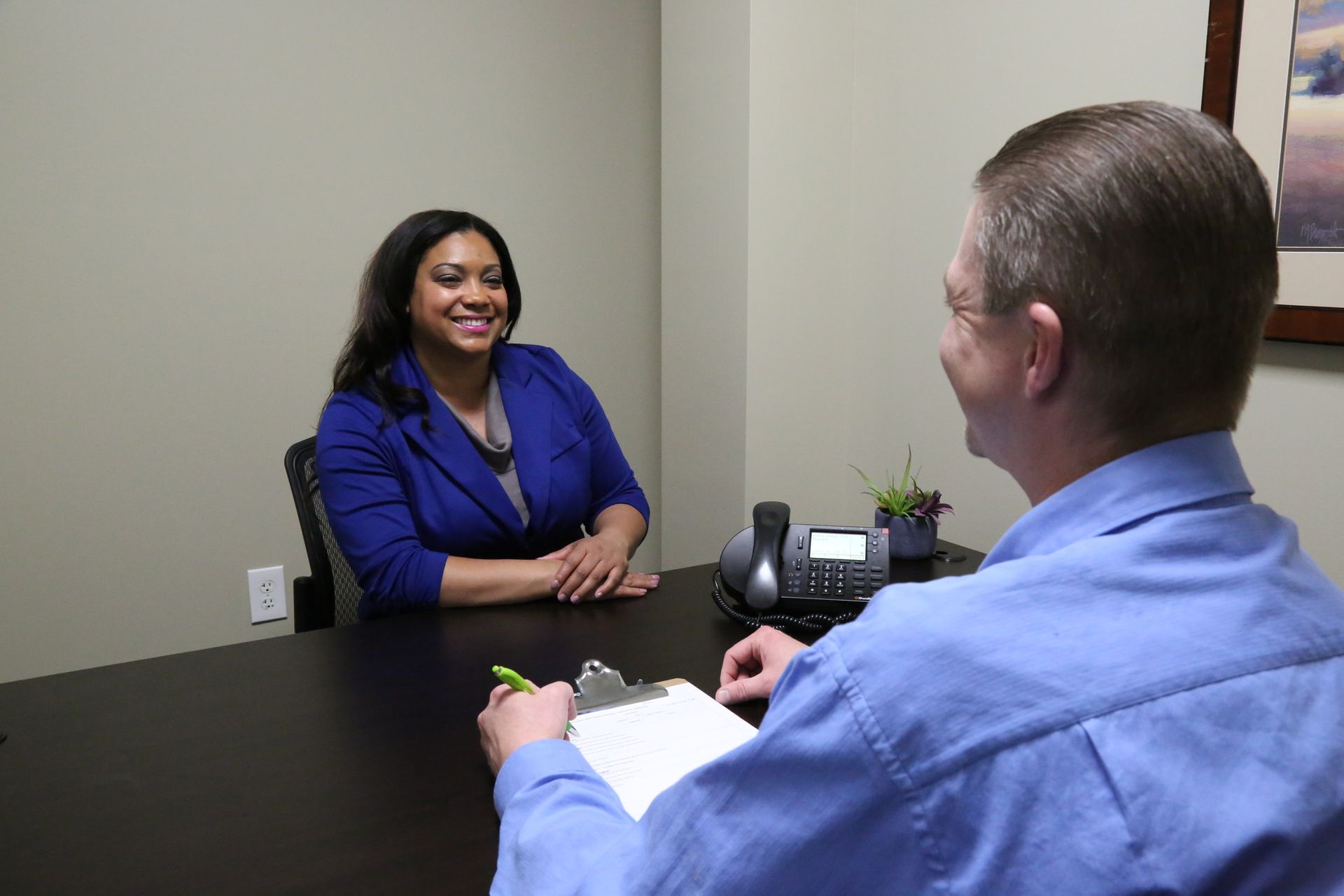
Stress should be taken more seriously when it starts changing the way you function, your relationships with family members, or your safety. CNS Healthcare’s crisis-informed approach is valuable at this time since warning signs of stress are not just about discomfort. These can signal anxiety, depression, burnout, or substance-related escalation.
A professional evaluation is needed when these symptoms persist, intensify, or interfere with your daily responsibilities. Getting early support from Mental Health Crisis Services can prevent a manageable problem from turning into a crisis.
Five Warning Signs Stress Is Too High
Common warning signs of stress may include persistent sleep problems,
frequent headaches or stomach issues. You may experience difficulty concentrating, and increased substance use. Loss of interest, hopelessness, or panic-like symptoms are also a warning.
Immediate Help for Crisis Situations
If you feel unsafe, or if you're at risk of self-harm, you should ask for immediate emergency help. In the U.S., call or text 988 for the Suicide & Crisis Lifeline. Remember that calm, clear action is better than waiting for the feeling to pass.
If you're a local Detroit resident, CNS Healthcare is here to support you. Reach out today to get the care you need for optimal mental health and well-being.
FAQs
1. What relieves stress fast?
Try two to three minutes of slower breathing exercises with a longer exhale. Take a brief walk or stretch, and then follow a simple 5-4-3-2-1 grounding method to start feeling good again. These tools work best when you combine body calming with an attention reset.
2. What are the 5 warning signs of stress?
Common signs include persistent sleep problems, frequent headaches or stomach issues, and irritability. You may also experience trouble concentrating or an increased reliance on caffeine, alcohol, and other substances. If these signs persist, stress may be affecting your health.
3. What are the coping strategies for stress?
Some effective and healthy ways to cope include in-the-moment calming, and creating healthy sleep and movement routines. Others might try problem-solving, music therapy, hand massage, sunlight exposure. The best strategies will reduce both your immediate distress and long-term reactivity.
4. What is the best way to cope with stress?
The best approach leverages tools for stress spikes along with daily habits that lower your baseline stress. If symptoms persist or functioning declines, seek professional support.
Newsletter
Stay up to date by subscribing to our newsletter.
Recent Posts



SHARE THIS POST WITH YOUR FRIENDS