
Healing After Trauma: Mental Health Support For Domestic Violence Survivors-💜
CNS Healthcare • April 11, 2025
Recovering from trauma as a domestic violence survivor is no small feat. You may feel guilty that you can't readjust easily back into a normal routine. However, it's important to understand that survivors are not meant to heal on their own. Victims require professional support to guide them through the aftermath of abuse so they can recover successfully from a lack of power and control.
This guide will help you understand why seeking out mental health support is necessary, and what steps you need to take to move forward.
Key Takeaways
- Experiencing domestic violence can result in trauma and PTSD, causing hopelessness and anxiety.
- A survivor of domestic violence can begin healing through therapy, counseling, and support groups.
- Building a strong support network of family and friends can support your healing journey.
- Seek out the help of local and national services for guidance.
- Personal survivor stories of victims are proof that healing is possible.
The Psychological Impact of Domestic Violence
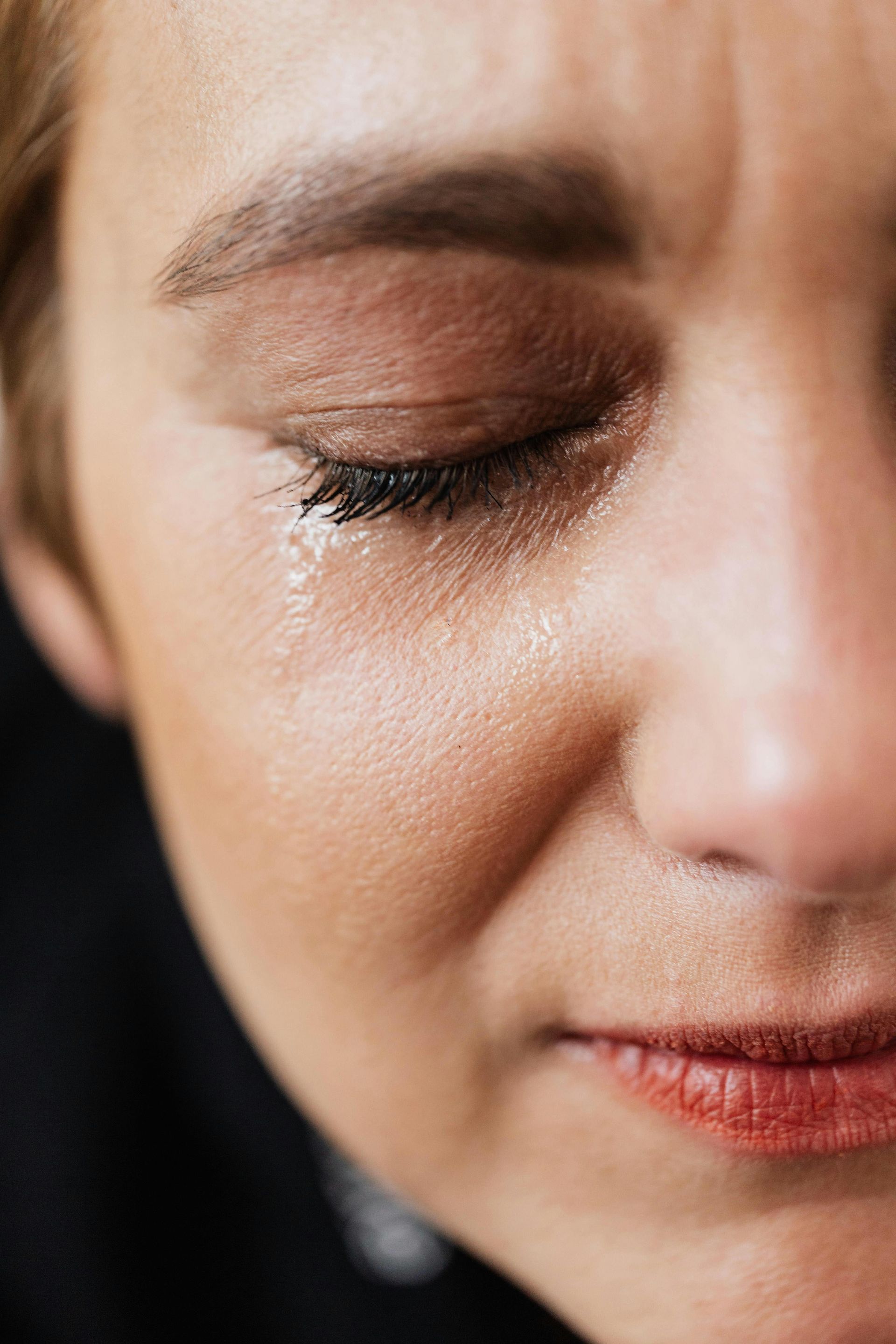
Domestic violence is not only physical. It can create severe psychological effects on its victims. It often results in trauma or even post-traumatic stress disorder (PTSD).
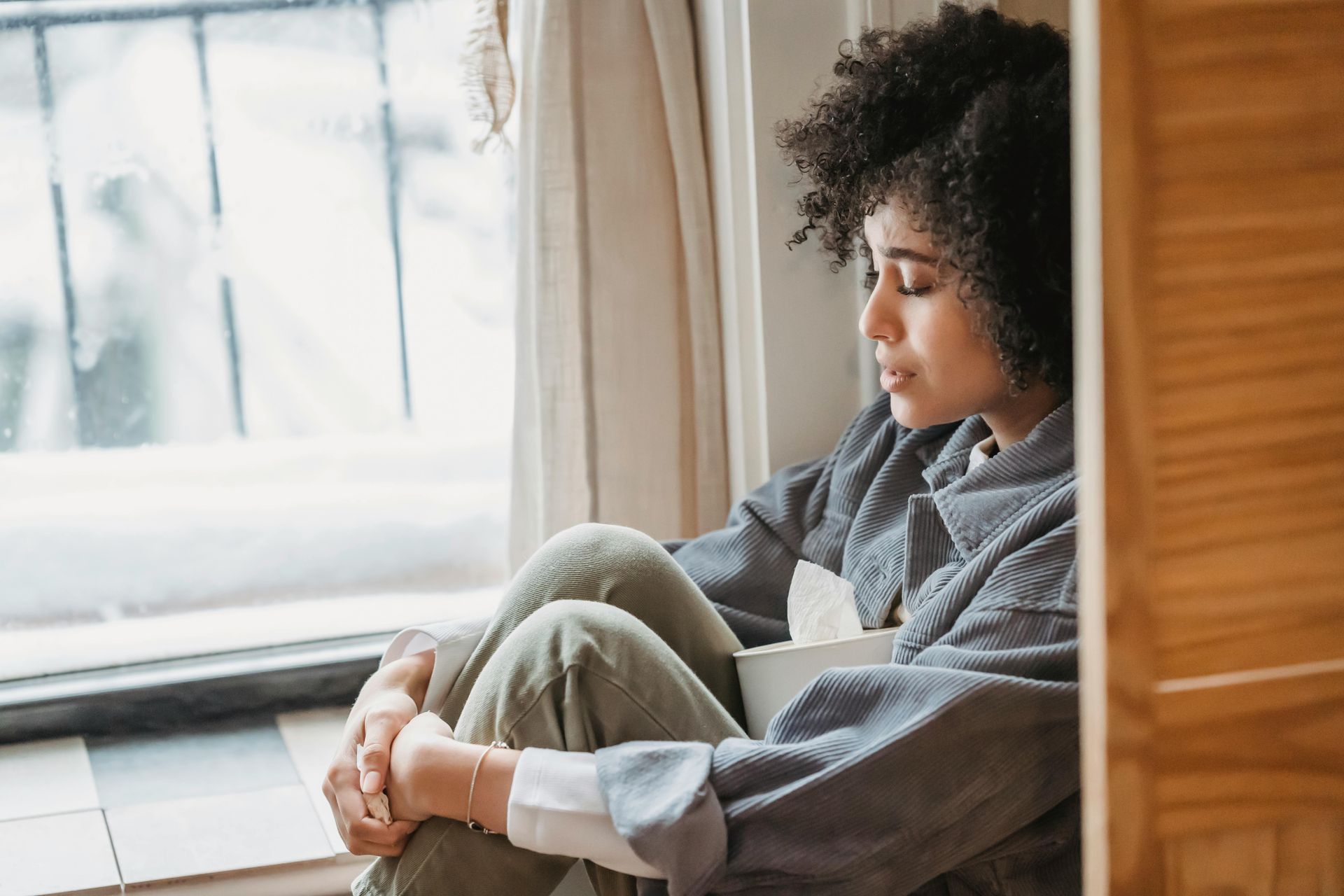
Survivors of domestic violence may experience feelings of hopelessness, extreme anxiety, flashbacks, depression, nightmares, or thoughts of suicide. They may also have problems with chronic fatigue or sleeping. These conditions all stem from the severe physical abuse and emotional abuse experienced in their past relationship.
Understanding Trauma and PTSD in Survivors
PTSD often occurs after an individual experiences a traumatic event. Common symptoms include intense emotional or physical reactions when reminded of the abuse they experienced.
Domestic violence victims might live in constant fear or be on edge, even when in a non-threatening environment.
Survivors with past abusive partners commonly suffer from mental health problems including low self-esteem or possibly even depression.
Mental Health Support Strategies for Healing
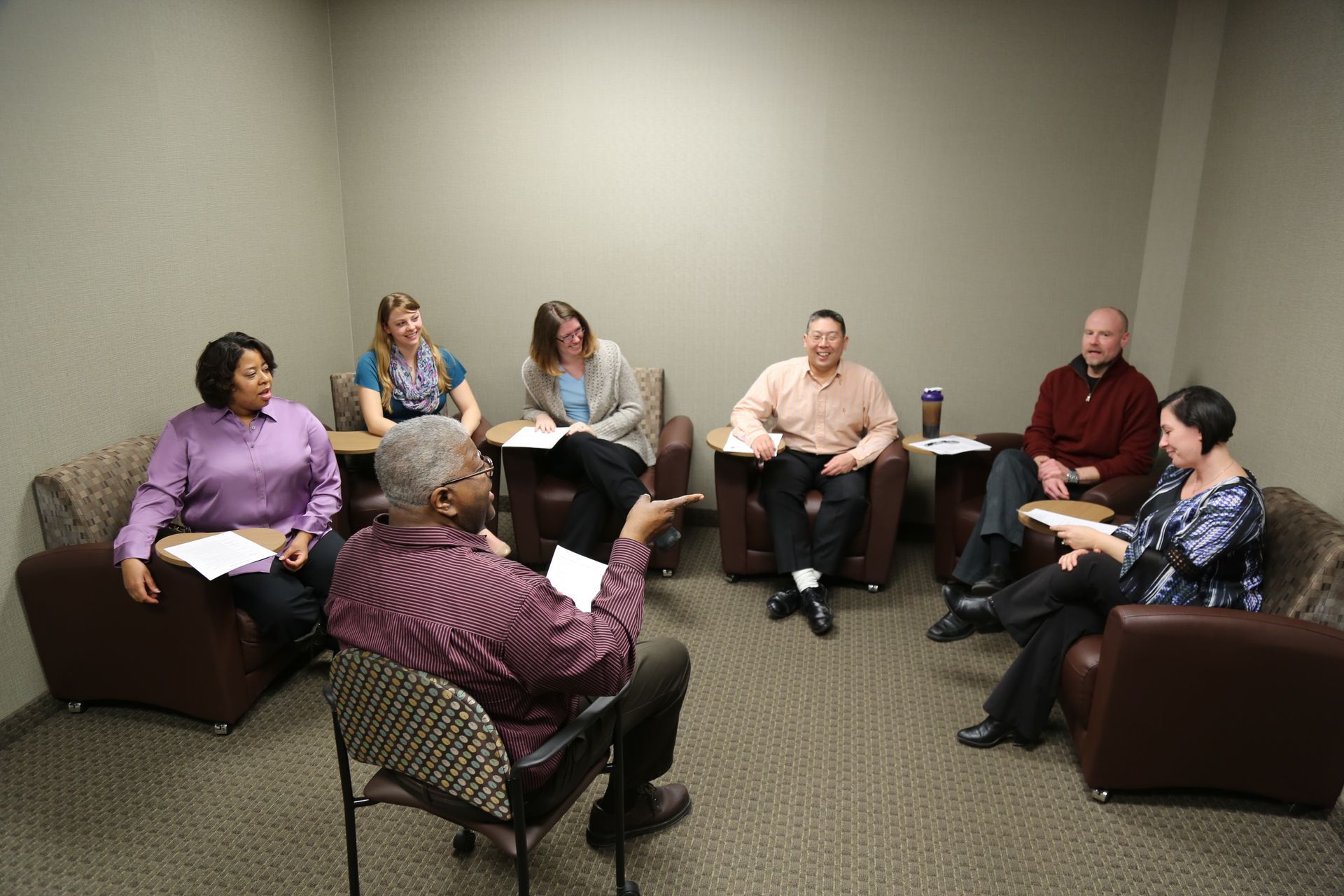
Recovering from the mental weight of domestic violence is challenging. However, building a support system and taking advantage of local resources can help you heal.
Counseling and Therapy Options
Getting
professional help is essential if you're a victim of domestic violence. Here are some ways to get started:
- Individual counseling involves meeting with a therapist to discuss trauma with focused guidance.
- Group therapy will connect you to others going through similar experiences.
- Family therapy teaches family members tactics for supporting one another and to heal relationships broken by abuse.
- Cognitive-behavioral therapy (CBT) works by reframing negative thinking patterns and developing strategies for coping with stress or PTSD.
- Eye Movement Desensitization and Reprocessing (EMDR) is a treatment for PTSD. It helps your brain process trauma via eye movement.
- Support groups, usually organized through local shelters or health centers, provide emotional support, communtiy, and practical tips.
As a survivor, you have many options to find what works best for your healing journey. For local Michigan residents, CNS Healthcare is a safe place to begin your recovery from intimate partner violence.
Building a Support Network
Building a
strong support network of friends, family, community, and professionals is essential when recovering. Here are some ways to start creating this foundation:
- Share your experiences with your family and friends so they can better understand your state.
- Connect with survivor groups that create a safe place to share stories with others in similar positions.
- Contact the National Coalition Against Domestic Violence or Futures Without Violence for personalized support.
- Leverage social media to search for support networks online.
- Sign up for professional help through counseling or therapy specifically for trauma related to abusive relationships.
- Create a safety plan so you know what to do if you ever feel threatened again. It should include safe locations and contact details.
- Contact local law enforcement if in immediate risk from an abusive situation.
- Request both mental and physical health services for injuries or health conditions caused from abuse.
- Volunteer to
help other domestic abuse victims. Empower others while empowering yourself.
These strategies outline just a few of the ways you can create a community post-domestic violence. They will help you move forward safely and confidently.
Resources for Domestic Violence Survivors

Domestic violence should not be dealt with alone. It's crucial to connect with professionals, like those involved in a domestic violence program or resource center. These individuals can more fully understand your situation and offer the right resources for better healing.
Accessing Local and National Support Services
Here's how domestic violence survivors can connect with
local and national support services:
- Contact the National Domestic Violence Hotline at 1-800-799-7233, 24/7 for quick help in a crisis.
- If you sense you are in immediate danger, call 911.
- Contact local resources in Oakland County, MI like domestic violence shelters for social services and protective services. You'll get personalized support for your unique needs. CNS Healthcare can also get you essential resources for counseling services and recovery.
- Check
online resources including
RAINN.org for additional assistance and support.
Get professional help when recovering from domestic violence. Many experts are ready to give you guidance and walk you through actions like safety planning during this time of transition.
Conclusion
The healing process for domestic violence survivors requires understanding the psychological impact of abuse. You should also invest in professional mental health support through therapy. Building a strong network of friends and family is also beneficial.
With some hard work and time, you can learn to manage the past while building a bright future. Message us at CNS Healthcare to get connected with a crisis expert today.
FAQs
1. What kind of support is available for victims of domestic violence?
In the United States, victims of domestic violence can reach out to organizations like RAINN (www.rainn.org). This includes those dealing with family violence and relationship abuse. They provide support to people dealing with physical, verbal, sexual, or mental abuse.
2. How can a survivor identify warning signs of potential abuse?
Warning signs may involve violent behavior from partners and physical or sexual assault. You may also experience more subtle abuse. For example, where victims are withheld control from their finances. Both young adults and older adults should learn the warning signs of abuse to avoid a violent relationship.
3. Can substance use contribute to incidents of domestic violence?
Alcohol and drug abuse commonly contribute in incidents involving family violence or gender-based violence. Substance use can lead to more severe occurences of physical or verbal abuse.
4. Are there specific challenges faced by certain communities when dealing with domestic violence?
Black women and other groups face increased challenges. This is because of socio-economic and systemic biases in our standard health care and criminal justice systems. This makes getting access to services more difficult for these groups.
5.What impact does experiencing domestic trauma have on mental health?
Experiencing trauma from any source of domestic violence could result in many mental health issues. These may include anxiety, shortness of breath, sexual dysfunction, and more. This makes it essential that victims get professional help after traumatic events immediat.
Newsletter
Stay up to date by subscribing to our newsletter.
Recent Posts


SHARE THIS POST WITH YOUR FRIENDS