
How Medication Assisted Treatment Is Transforming Addiction-💜
CNS Healthcare • December 5, 2025
When it comes to drug addiction, the right treatment options for your needs might not immediately be clear. One common solution that many patients turn to is Medication Assisted Treatment, or MAT. MAT involves using FDA-approved medications to treat substance use disorders by reducing the withdrawal of symptoms and cravings.
In this post, we’ll explore how these specific medicines work to overcome substance abuse disorders and guide you in selecting an effective MAT program for recovery. Let’s talk about how this effective opioid addiction treatment is changing lives.
Key Takeaways
- Medication Assisted Treatment relies on the use of medications like methadone, buprenorphine, and naltrexone to treat the symptoms of opioid and alcohol use disorders.
- The NIH and CDC have observed that MAT improves patient retention in substance abuse recovery programs, increases survival rates, and reduces the risk of overdose.
- MAT services are often covered by many insurance plans, including Medicaid in states like Michigan. The MAT Act also makes it easier for primary care providers to prescribe these medications for better treatment of OUD and more.
- For best practices, this medication-assisted treatment program is most successful when combined with evidence-based practices like CBT.
- This combined treatment approach manages both addiction and its effects on a patient’s mental health, reduces drug related criminal activity, and results in cost savings for healthcare systems. It also supports the long-term recovery and treatment of substance use disorders.
What Is Medication Assisted Treatment (MAT)?

Medication Assisted Treatment relies on FDA-approved medications to treat opioid addiction and alcohol use disorder. An effective treatment plan with MAT often combines medication management with CBT based counseling and behavioral therapies for best results.
Organizations like the Substance Abuse and Mental Health Services Administration, the National Institute on Drug Abuse, and the Department of Health support this comprehensive approach to outpatient treatment for the treatment process because of its evidence-based foundation.
Methadone, buprenorphine, and extended-release naltrexone, all used in MAT, work to adjust the part of your brain chemistry that is directly linked to cravings and withdrawal. These drugs help restore your brain’s normal function and reduce the risk of relapse during the recovery journey.
MAT also supports integrated medical services since it addresses the whole person through a combination of medical care, mental health care, family involvement, and vocational support, in addition to medication management.
Many healthcare plans in Michigan provide insurance coverage for all or some of MAT services for opioid misuse. Medicaid may also cover this treatment depending on state laws. Recent changes in legislature have improved treatment access and made it easier for healthcare professionals to prescribe these life-changing medications without additional obstacles.
Key Medications Used in MAT
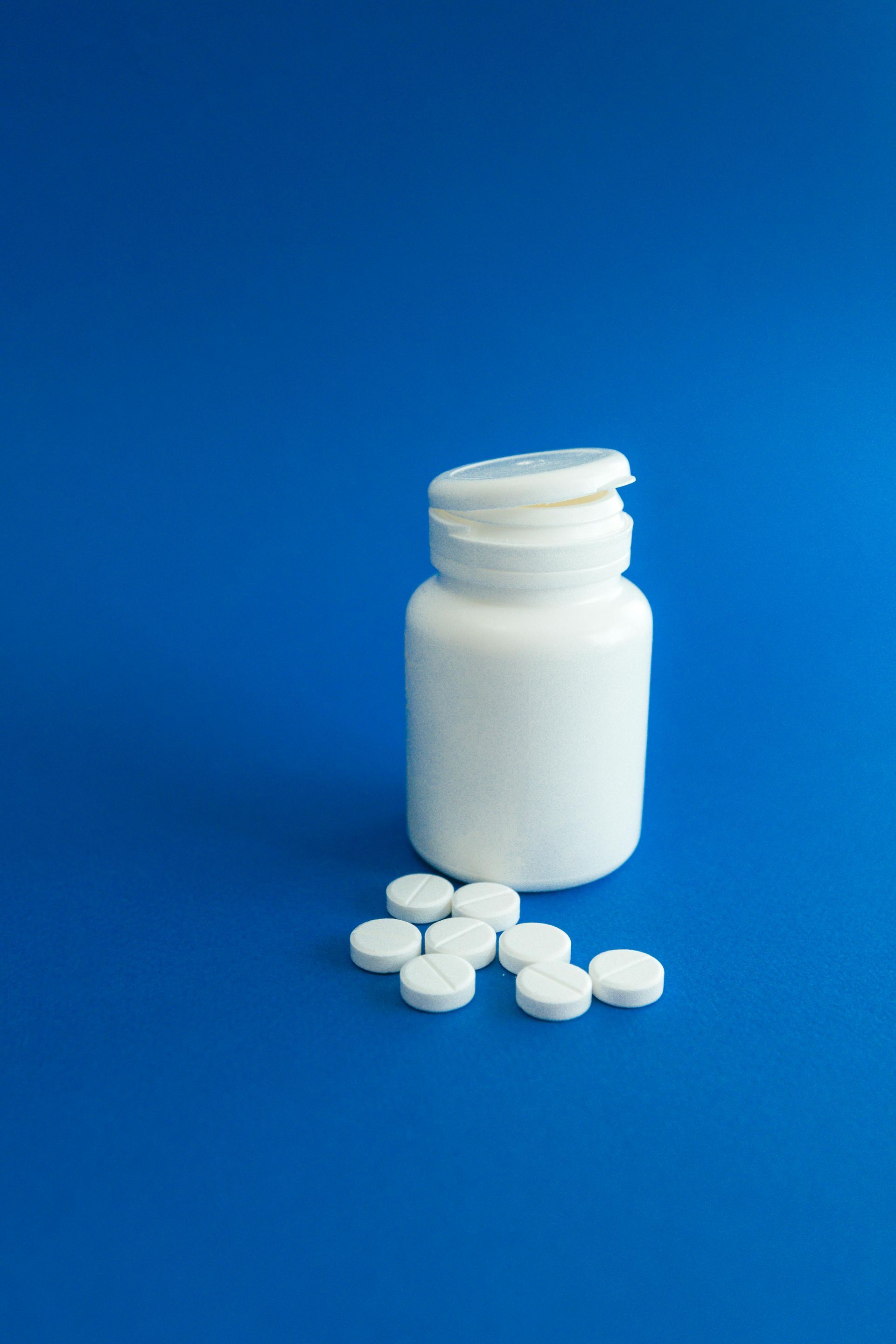
Here's a closer look at some of the medications used in MAT:
1. Methadone
is effective in the treatment of opioid use disorder by acting as a long-acting synthetic opioid agonist. It reduces the euphoria associated with withdrawal symptoms and cravings and is taken orally.
2. Buprenorphine, also used for
opioid dependence, acts as a partial agonist at opioid receptors and reduces cravings and withdrawal symptoms. It comes in sublingual forms or injections.
3. Suboxone, a combination of buprenorphine and naloxone, also manages withdrawal symptoms.
4. Naltrexone works well for both opioid and alcohol use disorders. It blocks the euphoric effects of opioids, and interrupts the rewarding effects of drinking for those struggling with alcohol addiction.
5. Acamprosate is used for alcoholics working towards recovery and reduces the urge to drink.
6. Disulfiram helps people get sober by causing unpleasant symptoms if they consume alcohol.
All these medications are FDA-approved and can largely impact treatment outcomes for those struggling with addiction by reducing the likelihood of relapse and overdose and improving patient survival rates.
Benefits of MAT in Transforming Addiction

Medication Assisted Treatment drastically improves recovery outcomes for those dealing with opioid use disorder. It lowers overdose rates and supports better health overall.
Improved recovery outcomes
Patients participating in MAT are more likely to stick with addiction treatment programs than those who are not receiving medication. Pregnant women receiving this treatment have shown improved birth outcomes and rates as well.
There is also a decrease in risks related to drug use, like hepatitis C or HIV transmission. Many patients successfully using MAT are able to return to work, avoid criminal activity, and see fewer emergency room visits.
Medication-assisted treatment is associated with higher recovery success rates and lower rates of opioid overdose, according to the Center for Disease Control and Prevention.
Reduction in overdose rates
Evidence has proven that when treatment providers prescribe medications like methadone and buprenorphine, it lowers the risk of fatal opioid overdoses.
Opioid overdoses can also be prevented through education and resources. Prevention tools like fentanyl test strips exist to help those undergoing treatment or in an opioid treatment program.
The collaboration between healthcare providers, policymakers, and communities can also help strengthen access to these life-saving MAT medications, assisting many who are struggling with substance abuse disorders.
CNS Healthcare Can Help
Medication Assisted Treatment is a critical piece of the puzzle when it comes to transforming addiction recovery. MAT can improve recovery outcomes and reduces the rate of overdose through medications that reduce the intensity of cravings and withdrawals.
MAT provides a practical path for effective change, making this life-saving treatment easily available for those attempting to overcome substance use disorders. If you're a local Detroit resident in need of some help managing your addiction, reach out to CNS Healthcare. Get connected with our health professionals today and get the help you need!
FAQs
1. What is Medication Assisted Treatment?
Medication Assisted Treatment, also known as MAT, involves using a combination of craving reducing medications with CBT therapies and support groups to treat opioid use disorder and other addictions.
2. How do MAT medications help patients overcome addiction?
MAT medications work by reducing the feeling of euphoria that comes from opioids. It lowers the intensity of opioid cravings as well as withdrawal symptoms. This results in the patients’ ability to improve their focus on making lifestyle changes and engage in effective treatment services.
3. Are these treatments supported by evidence-based guidelines?
The American Society of Addiction Medicine and World Health Organization recommend evidence-based treatments like MAT for substance use disorders including OUD.
4. How does Medication Assisted Treatment impact a patients overall health during recovery from drug overdoses?
MAT improves overall health outcomes through a combination of therapies and medication. It also reduces relapse rates of drug overdoses and from the effects of alcohol.
5. How do peer support programs work with MAT when it comes to addressing the opioid epidemic in the United States?
Peer support groups offer ongoing support from others going through recovery from substance use disorders. They complement the medical care of MAT while increasing the likelihood that patients will maintain long-term success against opioid addiction.
Newsletter
Stay up to date by subscribing to our newsletter.
Recent Posts



SHARE THIS POST WITH YOUR FRIENDS