
How Peer Support Services Can Transform Your Mental Health Journey-💜
CNS Healthcare • June 13, 2025
If you're struggling with your mental health, you may feel isolated, lost, or alone. You may be wondering what type of professional help you should seek out to start the healing process. Beyond traditional therapy, did you know that some organizations like CNS Healthcare in Oakland County offer peer support services?
Peer services are a unique type of support group. They connect you with others who have gone through similar experiences. They are moderated by a trained individuals that have experienced similar issues, like substance abuse, or anxiety.
In this post, you'll learn more about how these essential services. You'll discover how support groups and certified peer specialists can help with your recovery and emotional support.
Key Takeaways
- Peer support services connect people in need of mental health support with individuals who have personally experienced similar issues. This includes conditions like substance use disorders.
- Certified peer support specialists and youth peer support specialists assist in bridging clinical care with day to day recovery.
- Peer services provide emotional support and social interaction, along with nonjudgmental guidance. These peer workers can be found in mental health centers with 12-step programs. You'll also find them in hospitals, recovery community centers, and at organizations like CNS Healthcare in Detroit.
- Studies from the Michigan Department of Health report that having strong support systems can encourage healthy relationships. This is especially true for those with behavioral health issues.
- When it comes to child welfare, foster care, or juvenile justice, peer mentors can advocate for trauma-informed care.
- Peer specialists can take advantage of statewide training offered by the Office of Behavioral Health in Michigan. This training is responsible for creating educated mentors that leverage evidence-based tools like wellness recovery action plans.
What Are Peer Support Services?

Peer Support Services train individuals who have had experience with mental health or substance use disorders. They can then provide guidance to others facing similar situations.
These peer workers may have an existing background as Certified Peer Support Specialists or youth peer support specialists. You may see them in settings like behavioral health centers, recovery community centers, or even in the Emergency Department. They work alongside treatment providers and social workers. These individuals share a unique perspective that helps connect clinical services with recovery needs.
To become a peer support specialist in the United States, you must have personal experience with specific behavioral health conditions. This could include bipolar disorder or a persistent mental illness. The Michigan Certification Board for Addiction Professionals demands at least a high school diploma for this position.
Once hired, specialists will assist in treatment planning. They can provide referrals for food resources and child care, life skills coaching, and discharge planning from hospital stays. They can also provide clients access to wellness programs and tools including Wellness Recovery Action Plans.
They do not directly perform therapy or prescribe medication like mental health professionals. Their unique role model status brings hope to young adults and their family members. Those who are struggling through long-term recovery processes within the behavioral health system need regular support.
Key Benefits of Peer Support Services
Peer support services provide essential emotional and social connections that empower individuals through shared personal experiences.
Emotional and Social Support
Support from those who have gone through similar experiences, like substance use recovery, can help you feel less isolated.
In these programs, you'll receive encouragement from peer recovery coaches, certified peer recovery mentors, and youth peer support services. These individuals have been in your shoes before, and are aware of the effects of various mental health conditions.
Research conducted by the Mental Health Services Administration demonstrate that peer support work can help grow strong relationships.
Mental health centers like CNS Healthcare in Michigan employ trained care teams for this reason. They can provide the peer-delivered services and community events that mental health patients need.
No one should have to face recovery alone.
Whether you're a client over 18 years of age or a minor currently in foster care, peer mentors can help. You can get access to Trauma-Informed Care through various social services, juvenile justice, child welfare, and criminal justice systems.
Empowerment Through Shared Experiences
Peer support specialists in Macomb County use their experiences with serious mental illness to help people feel less alone. Peer support providers may have faced similar challenges to you. For example, working within the behavioral health system or facing unfair stigma from their community.
Peer support providers help individuals by using structured training from organizations like Mental Health America. You'll gain skills and grow your confidence by learning what worked well for others. You can then start weaving it into your own recovery.
Some peer services groups train Veterans or those with disabilities to become peer supporters. This becomes very beneficial for fellow Veterans and those that struggle with various disabilities who need access to assistance programs specific to their needs. Visit the CNS Healthcare Veterans support group for more details.
How Peer Support Transforms the Mental Health Journey
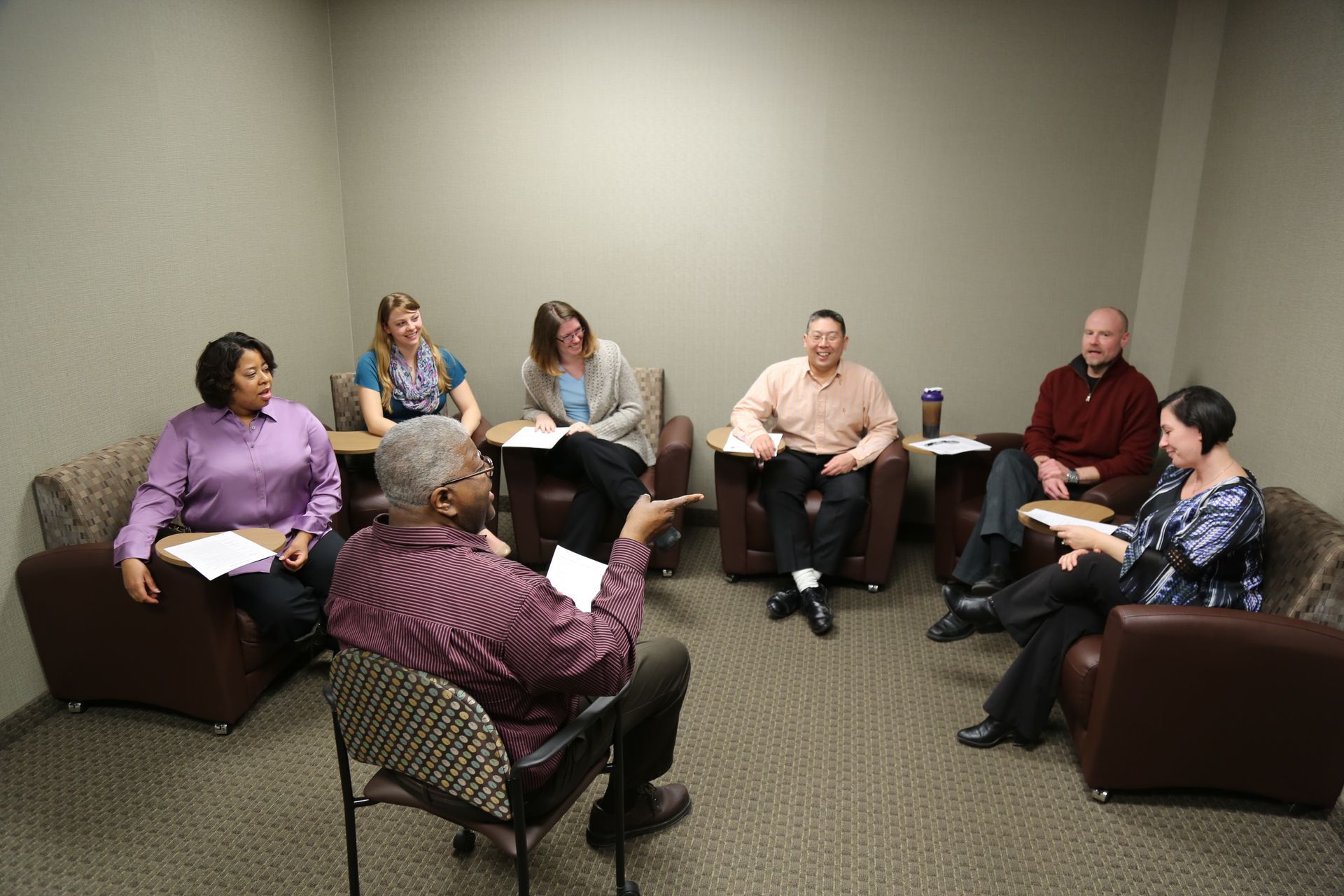
Peer support can transform a person's mental health journey by creating connection and collaborating with community partners.
Building Resilience and Recovery
Building up mental health resilience requires setting recovery goals and developing vital life skills. Peer support services can assist you with both of these goals. By focusing on shared experiences in a group environment which provides emotional and social support for attendees.
Peer support workers also assist with discharge planning. They can guide you through the resources available to you within the mental health system.
Enhancing Access to Resources and Care
Peer support services play a vital role in improving access to resources and behavioral health services. These services provide mentoring, guidance, and mental health support to even those with developmental disabilities.
The Office of Behavioral Health in Michigan provides statewide training for peer specialists. This training occurs at few times each year, both virtually and in-person. These training programs ensure that you're receiving the best assistance from trained professionals local to Detroit.
Conclusion
Peer support services can greatly improve the path of your recovery process. These vital services create a system of emotional and social support while simultaneously empowering you through shared experiences.
Peer specialists will also help you build up mental resilience. They can help get you much needed access to essential behavioral health resources.
CNS Healthcare in Detroit, Michigan offers local peer support groups for many needs. They will provide you with community and guidance you as you navigate your mental health challenges. Reach out to us today to get the support you need.
FAQs
1. What are peer specialist services, and how do they support individuals with a developmental disability?
Peer specialist services provides structured support through trained individuals who have past lived experience with specific mental health challenges or developmental disability issues. These services offer support by connecting clients with others who have been through the same situations.
2. How does peer support training improve the effectiveness of peer-led programs?
Peer support training educates specialists on both the communication skills and ethical guidelines. This is necessary to ensure they can address specific needs related to mental health or various developmental disabilities.
3. In what ways do social supports from peer specialist services enhance traditional mental health care?
Social supports from peer specialists can help to boost traditional clinical treatments. They provide real-life experiences of others with encouragement and advice. These connections build trust between peers, often leading to better engagement.
Newsletter
Stay up to date by subscribing to our newsletter.
Recent Posts



SHARE THIS POST WITH YOUR FRIENDS