
Heal with Medication Assisted Treatment And Coordinated Care-💜
CNS Healthcare • June 28, 2026
At CNS Healthcare, Medication Assisted Treatment is built around medical safety, behavioral therapy, and
long-term stability. When those in need of assistance are looking to receive medication assisted treatment, their outcomes improve when medications and other treatment options are combined with counseling or group therapy. Keep reading to see how this thoughtful treatment approach provides full mental health support and improves well-being.
Key Takeaways
- MAT uses FDA-approved medications like methadone, buprenorphine, and naltrexone to reduce cravings and withdrawal symptoms.
- Providers often combine medicine with therapy for treating conditions such as opioid use disorder and alcohol use disorder.
- Benefits of MAT include less risk of relapse, preventing opioid overdose, and supporting long-term recovery.
- CNS Healthcare provides various types of assistance. Choose from telehealth through a secure virtual care portal, drug screenings, and personalized care options for treatment.
- Programs like SAMHSA’s National Helpline can also offer confidential support during the recovery process.
What Is Medication Assisted Treatment?
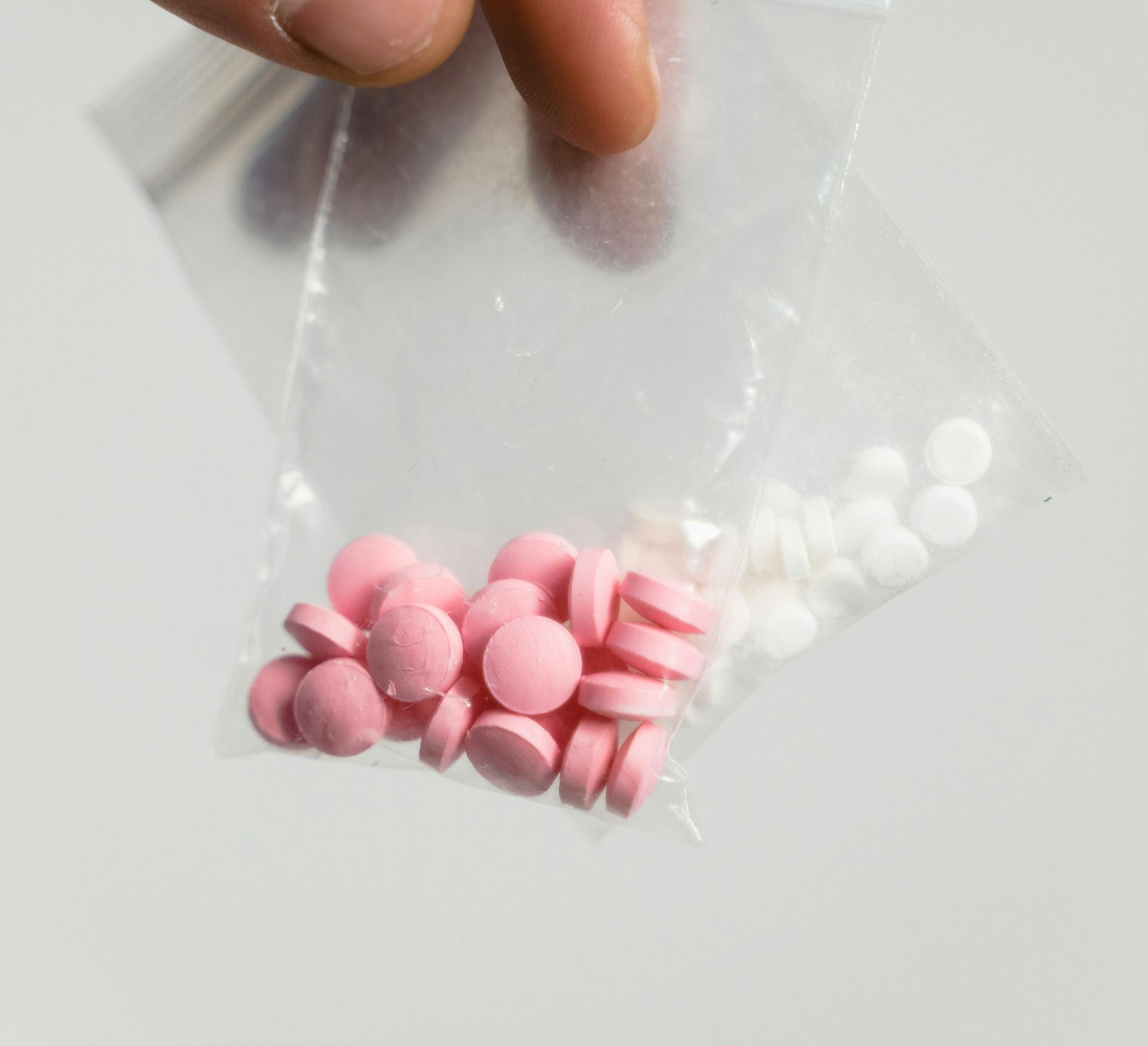
Medication Assisted Treatment (MAT) combines FDA-approved medications with counseling and behavioral therapy. This method is used to treat substance use disorders like opioid use disorder (OUD) and alcohol use disorder (AUD).
This method focuses on reducing withdrawal symptoms from the effect of opioids, managing withdrawal symptoms, and preventing relapse.
MAT includes medications like buprenorphine, methadone, or naltrexone. These drugs help you stay stable during recovery. Buprenorphine/naloxone combinations, like Suboxone, are also common in treatment plans.
Healthcare professionals design MAT as an addiction treatmant that suit your needs while ensuring privacy and confidential care.
Medication and Therapy Options

CNS Healthcare provides a maintenance addiction treatment that combines medication management, counseling, and recovery support in one coordinated plan. Cravings,
withdrawals, and co-occurring disorders rarely improve with medication alone. Here is a summary of treatments often used in MAT:
- MOUD evaluation and induction: A clinical assessment reviews substance use disorder history, health risks, and readiness. This allows treatment to start safely when opioid medications are clinically appropriate.
- Buprenorphine treatment: Ongoing buprenorphine prescribing, monitoring, and dose adjustments help reduce cravings and support daily stability when paired with counseling.
- Naltrexone support: Oral naltrexone or extended-release naltrexone can support relapse prevention with adherence planning, follow-ups, and a clear treatment plan.
- Methadone care coordination: CNS Healthcare can provide treatment referral and coordination with an opioid treatment program.
- MAUD for alcohol use disorder: Medication options for alcohol use disorder are often combined with therapy. This can boost recovery support and improve follow-through.
- Integrated counseling and recovery planning: Individual and group services align therapy goals, overdose prevention education, and relapse planning with the medication plan.
Benefits of MAT in Recovery

MAT helps reduce cravings and withdrawal symptoms. It uses FDA-approved medications to treat opioid use disorder or alcohol use disorder. These medicines make it easier to focus on recovery rather than just managing discomfort.
This treatment lowers the risk of relapse and overdose. It combines therapy and 12-step programs with medication to create a stronger support system. It promotes long-term stability through shared decision-making and evidence-based care.
SAMHSA’s National Helpline can offer confidential support during treatment.
Why Choose CNS Healthcare for MAT
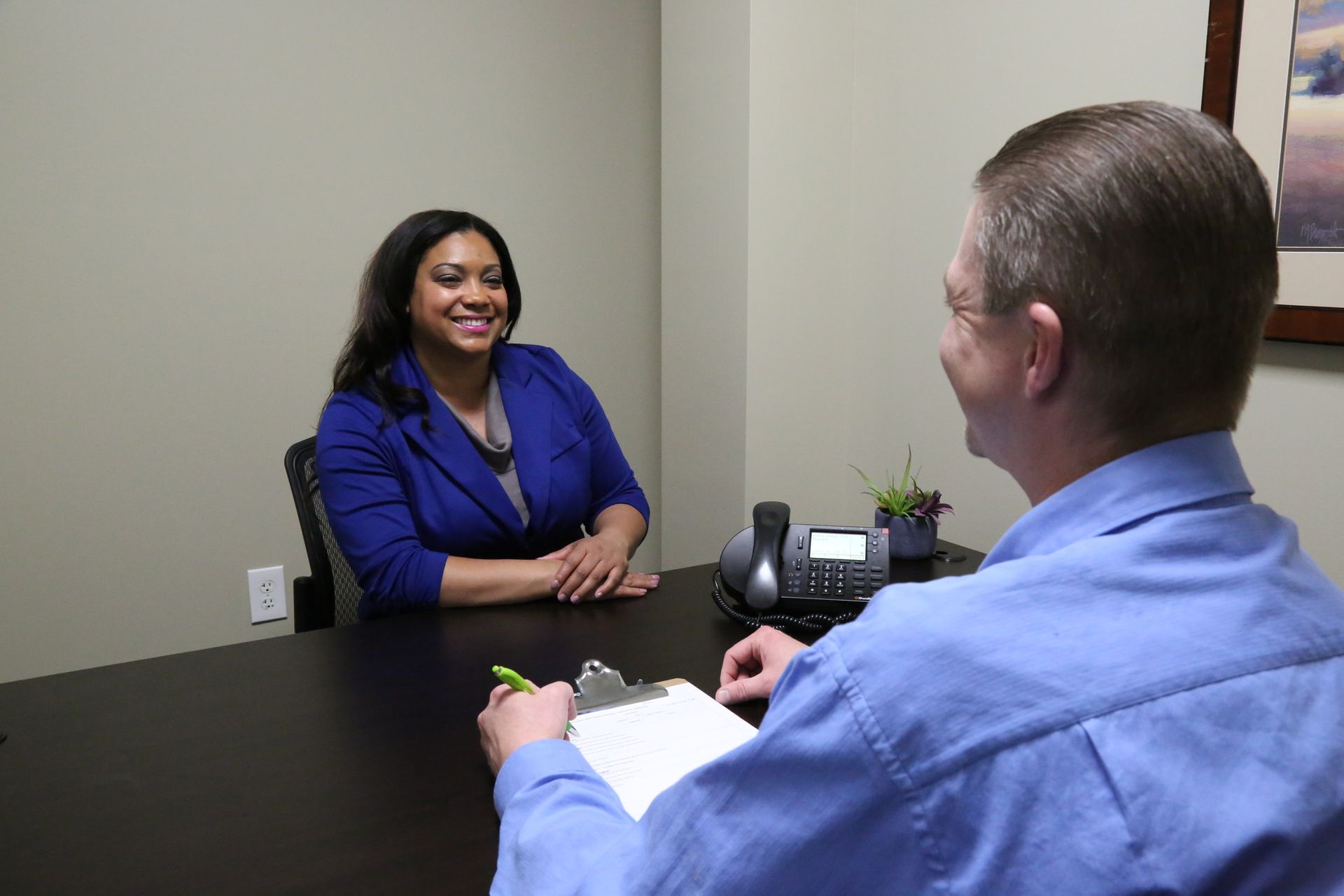
CNS Healthcare approaches recovery through integrated care. This means behavioral health and
integrated medical services can work together instead of in separate systems. This coordination reduces treatment gaps, which is especially important when substance use, mental health symptoms, and medication needs overlap.
- Integrated care model: Screening, medication management, counseling, and medical coordination come together within a single plan instead of scattered appointments.
- Rapid access pathways: CNS Healthcare’s Rapid Access Mental Health Services can assist you quickly with same-day walk-in care.
- Telehealth flexibility: Virtual appointments can reduce transportation and scheduling barriers, which often improves consistency during early recovery.
- Patient-centered planning: Evidence-based treatment works best when medication choices reflect history, goals, safety needs, and readiness.
- Care navigation: Case management staff help with scheduling, documentation, and more. This prevents patients from having to manage this process alone.
How MAT Works at CNS Healthcare
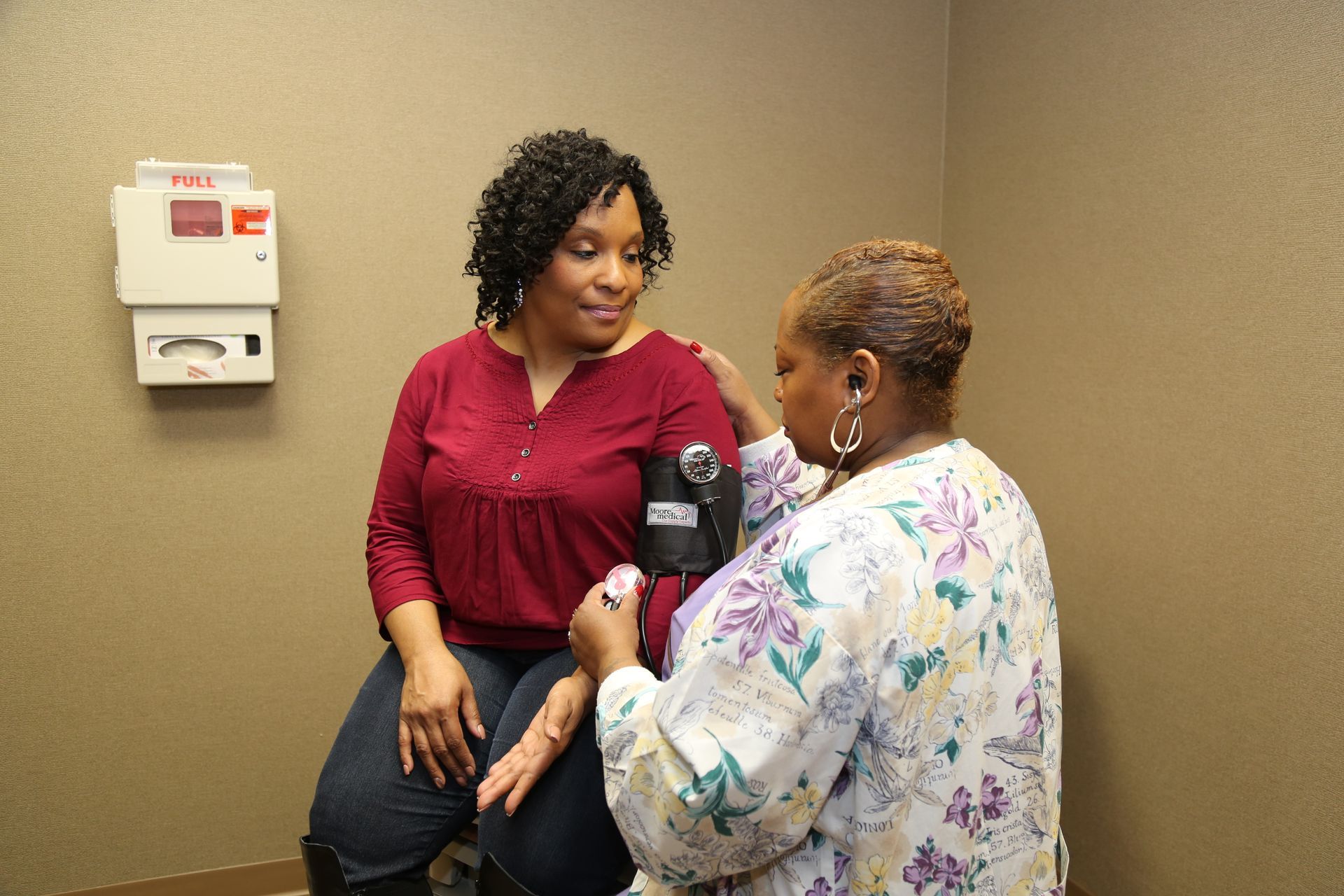
A clear system reduces uncertainty, which often prevents people from starting treatment. CNS Healthcare uses a step-based
outpatient treatment model so each stage has a defined purpose and follow-up.
- Request a free consultation: Share what you are experiencing, your preferred contact method, and your availability to schedule an intake appointment. This first step helps the team identify urgency and the right entry point.
- Clinical evaluation: A clinician reviews substance use history, mental health needs, medical risks, and goals to confirm whether MAT is the right fit. This screening process reflects SAMHSA-aligned principles of individualized care.
- Start a personalized medication plan: If appropriate, treatment may begin with induction or medication initiation. You'll also receive safety instructions and schedule follow-up visits. Early monitoring is essential in MOUD and MAUD care.
- Add counseling and recovery supports: Individual therapy, group support, and recovery coaching strengthen adherence and address triggers that medication alone cannot resolve.
- Ongoing monitoring and adjustments: Regular check-ins allow for adjustments in medication, review of any side-effects, coordination with an OTP, and support for long-term well-being.
Take the First Step Toward Stable Recovery
Starting a new treatment can feel overwhelming, but you don't need to overcome it alone. CNS Healthcare in Detroit, Michigan offers medication assisted treatment as part of a broader recovery plan. MAT is a powerful option that supports your physical health, mental health, and long-term stability.
Whether you're seeking help for opioid use or alcohol use disorder, the next step is a confidential conversation with a team that understands how to align the right treatment to your needs. Message us at CNS Healthcare today for quick and confidential care!
FAQs
1. What conditions can MAT help treat?
MAT can support opioid use disorder and alcohol use disorder when medication is clinically appropriate. Care usually includes counseling, monitoring, and a personalized treatment plan.
2. Will I only receive medication?
No. CNS Healthcare combines medication with behavioral therapy, individual therapy, and recovery support. This integrated model addresses both substance use and related mental health needs.
3. How quickly can I get started?
Scheduling depends on your clinical need and appointment availability. CNS Healthcare also offers Rapid Access Mental Health Services. This service is designed to offer quick service without the need for an appointment.
4. Is telehealth available for MAT?
Telehealth may be available when clinically appropriate. Virtual care through our patient portal can improve follow-up consistency. This is especially helpful for patients balancing work, family, or transportation barriers.
5. Does CNS Healthcare help with referrals for methadone?
Yes. If methadone is indicated and given prior authorization, CNS Healthcare can coordinate treatment referral with an opioid treatment program. This helps patients move into the right level of care without navigating the process alone.
6. Will my care be private?
Yes. CNS Healthcare emphasizes confidential, privacy-forward care and provides secure portal access.
Newsletter
Stay up to date by subscribing to our newsletter.
Recent Posts



SHARE THIS POST WITH YOUR FRIENDS