

Uncovering the Truth About Anxiety in Children: Causes, Symptoms, and Treatment-💜
CNS Healthcare • February 7, 2025
Anxiety in children is a real mental health challenge that affects up to 1 in 5 children. If left ignored, it can create real problems including social phobia, sensitivity, anger, weight loss, and more. However, if you suspect that your child is becoming anxious, there is still hope!
In this post, you'll learn some of the main
causes, symptoms, and treatment options for anxiety. This will help you recognize the signs early on. If you're looking for ways to help your child feel better, keep reading for our best tips and advice.
Key Takeaways
- Anxiety affects up to 1 in 5 children. It may appear as physical symptoms (stomachaches, headaches) and behavioral changes like avoidance or sensitivity.
- Common causes of anxiety disorders in children include family stress, school pressures, and major life events such as moving.
- Treatments include Cognitive Behavioral Therapy (CBT), family therapy for better communication at home, and medication in extreme cases.
- Parents can help reduce their child's anxiety by creating routines, offering reassurance, and seeking professional help when needed.
- Early support improves a child’s mental health and helps kids manage fear and worries more effectively.
What is Anxiety in Children?
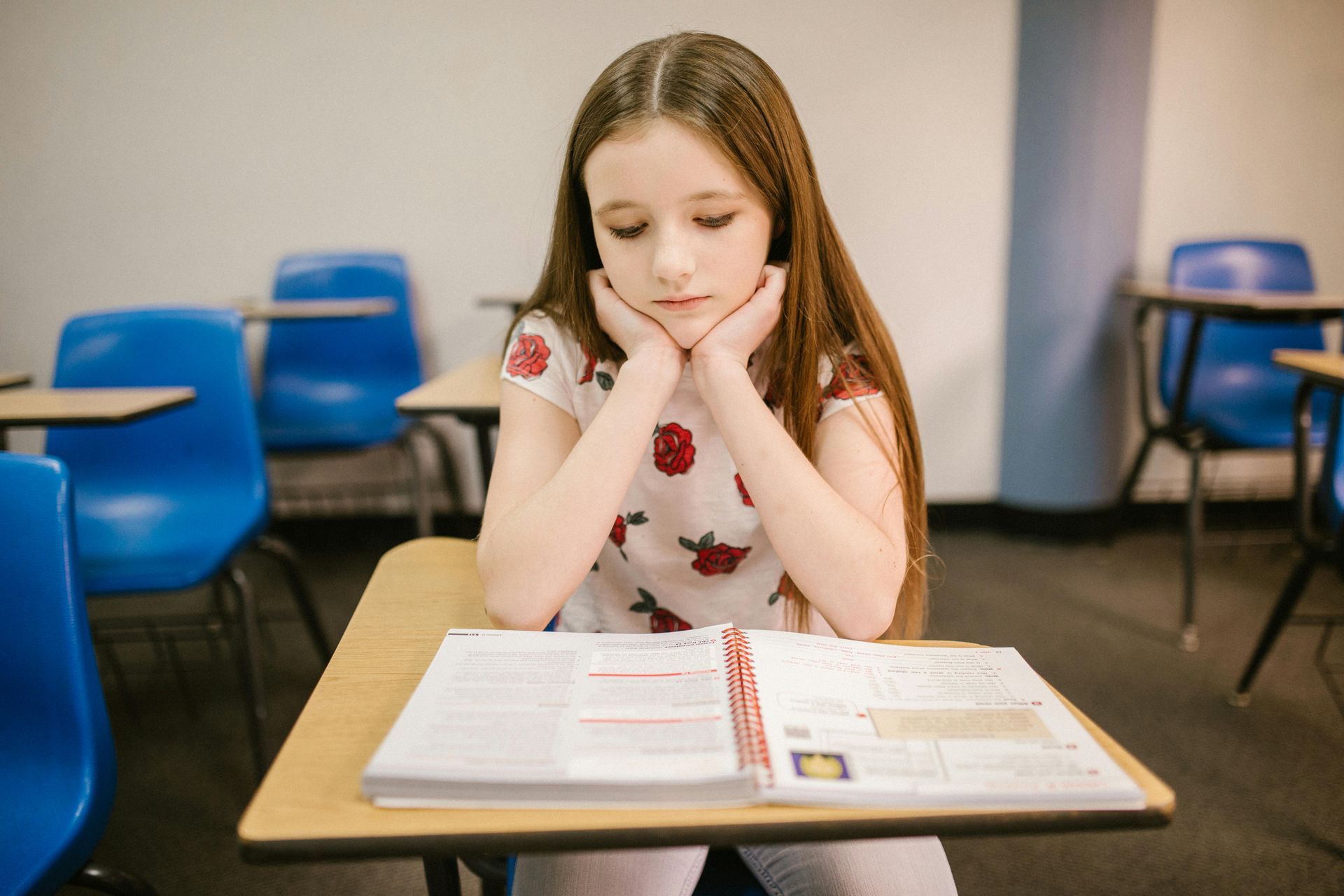
Anxiety in children occurs when fear, worry, or stress begins affecting them regularly. If these feelings last over six months, they can become a problem.
Unfortunately, this disorder is extremely prevalent. In fact, 1 in 5 children may develop an anxiety disorder during their childhood. This makes it one of the most common mental health issues among young people.
You should also understand that people experience anxiety issues differently. Five main types of childhood anxiety exist. These include Separation Anxiety Disorder, Specific Phobias, Social Anxiety Disorder, Generalized Anxiety Disorder, and Panic Disorder.
Some children might have extreme fear of being away from family members (separation anxiety). Others may only struggle with phobias.
Some children may experience panic attacks in social situations in school or with friends. These events can be upsetting to kids and make them even more anxious.
Additionally, these anxious thoughts can often surface as physical symptoms. Stomachaches or headaches can make it hard for a child to focus on schoolwork. They can also affect playtime and cause social problems.
Anxiety isn’t just shyness - it’s an intense feeling that affects how children think, act, and behave.
Common Causes of Anxiety in Children
Children feel anxious for many reasons, and it's often tied to their environment or experiences. Stressful situations, in a child's home or social life, can impact emotional well-being. This can lead to ongoing anxiety over time.
Family-related stressors
Family problems are a major trigger of anxiety in both young children and older children alike. Living in an unstable home can cause stress for children. Arguments, separation, or divorce between parents can make things worse.
The
death of a family member is another unfortunate family situation that can create worry, sadness, and anxiety in children.
Genetics may also play a huge role in your child’s behavior. Older family members often pass down their mental health conditions. If you have a family
history of mental health
issues, it can increase your risk of anxiety and depression.
Stressful events like not having enough food or living in poor housing can also make anxiety worse for school-age children and younger kids.
School and academic pressures
School can be stressful for kids! They're balancing high expectations to perform well academically from both their parents and teachers, taking tests, and doing homework, all while trying to maintain good grades and keep a good attendance rate.
Fear of failure can also add to the pressure and push many children over the edge into anxiety or a panic disorder.
Bullying is another major cause of school anxiety. Negative social interactions with other children and
struggles making friends or fitting in may leave kids feeling alone and worried daily, damaging their confidence.
These ongoing pressures can impact a child's mental health and ability to focus on learning tasks effectively. Seeking help early is a good idea if they are showing signs of excessive worry when it comes to school performance or relationships.
Traumatic events or changes in environment
Stress at school can increase if a child is also facing a traumatic life event. Unfortunate events like house fires, car accidents, or natural disasters affect a child’s life deeply. It can create fear and feelings of anxiety that linger long after the event itself has passed.
Significant changes in their daily routine can also impact them negatively. Picking up and moving to a new school or neighborhood can cause social phobia.
This may include worrying about fitting in and making new friends. Adjusting to these changes takes time. However, early support can support children in settling into new routines.
Children with anxiety may display a shift in how they usually feel, act, or even how their bodies react. Next, let's explore
what signs to watch for, and how to help them if you're worried they're becoming anxious.
Even small changes in daily activities can feel overwhelming for younger children.
Signs and Symptoms of Anxiety in Children
Children with anxiety may display a shift in how they usually feel, act, or even how their bodies react. Keep reading to find out what signs to watch for, and how to help them if you're worried they're becoming anxious.
Physical symptoms (e.g., stomachaches, headaches)
Anxiety in children can appear in many forms. Physical symptoms are often clear signs of anxiety, despite their subtle nature. Here are some things to look out for:
- Stomachaches are common and may get worse in stressful situations, like starting school or preparing for a test.
- Headaches often appear when your child feels overwhelmed, worried, or nervous.
- Muscle tension can occur when anxiety causes the body to stay on high alert for danger.
- Hands or legs may shake because of increased heart rate and blood pressure in stressful moments.
- Frequent bathroom visits may occur because stress impacts the digestive system.
- Rapid breathing or shortness of breath could signal that your child is feeling panic or fear.
Behavioral changes (e.g., sensitivity, avoidance)
Signs of anxiety in children can be easy to spot if you pay attention to changes in their behavior. These changes often impact their daily life and their interactions with others. Below you'll find a list of behavioral changes that you can look out for:
- A child may become easily irritated or angry. They might become easily upset by little things more than usual.
- A child might avoid school, social events, or specific places that make them uneasy.
- They may experience restlessness which could look like constant movement or an inability to sit still.
- Fear of being alone may increase. This could look like refusing to sleep alone, having trouble sleeping, or clinging to parents during the day.
- Social withdrawal that happens suddenly. Kids may begin to avoid friends, stop playing entirely, or prefer quiet spaces over interaction.
- Anger bursts that occur frequently. Anxiety can trigger yelling or frustration over simple problems.
- Concentration issues are another hint of anxiety-related behavioral changes. Completing homework or listening in class may seem increasingly difficult for your child.
- Changes in appetite are possible too. Your child may start eating more than usual, or lose interest in food altogether.
If a child shows one or more of these changes, it may indicate problems with their mental health.
Emotional symptoms (e.g., excessive worry, fear)
Anxiety can also take control of your child’s emotions. One way to recognize this is by noticing if
they feel more worry or fear about things that others might not notice. Because of this, their feelings can quickly become overwhelming, affect their daily life, and make simple tasks more difficult.
Here are a few examples of emotional signs and symptoms of anxiety your child may experience:
- Your child might constantly worry about bad things happening, even when there is no real danger.
- They may cry or feel upset more frequently than other kids their age.
- Fear of a specific thing may take over their thoughts. They may have intense fear being around dogs or being alone.
- They may ask the same questions repeatedly to get reassurance from you.
- Minor events, like being late to school, might feel incredibly overwhelming to them.
Treatment Options for Childhood Anxiety
Treatments for anxiety can occur in a variety of ways based on the child's needs. Support from professionals and loved ones will often play a key role in helping children overcome their anxiety.
Cognitive Behavioral Therapy (CBT)
CBT can help an anxious child manage their anxiety by changing negative thought patterns. It focuses on teaching
practical coping skills to handle specific fears, obsessive-compulsive disorder, or unwanted thoughts.
Health professionals will help your child identify what is causing their worries. Then, they will create a step-by-step plan to stop anxiety before it starts.
The sessions for CBT are typically short, but very effective. Many children see
improvement in just a few sessions with the right treatment plan. Parents are important here too. Open conversation at home will support the new strategies the child learns in therapy.
This method is effective for common anxiety types. It helps with issues like posttraumatic stress disorder and social fears that affect daily life.
Family therapy and parental support
Family therapy can help improve a child's family life by addressing how each member communicates and supports one another. Therapy sessions focus on helping you learn new ways to
create a safe space for your child to express their fears and worries.
Family therapy can also teach you strategies to avoid overprotective behaviors, which may increase a child’s anxiety. A family therapist can help you
recognize healthy responses for kids when they are facing stress or fear.
Parental support includes learning practical tools like setting daily routines at home. Keeping a consistent schedule will help children feel more secure during difficult times. Practicing relaxation techniques as a family can also bring a sense of calm into their daily activities.
Small actions can help kids with anxiety. For example,
encouraging
them to be active is beneficial. Also, offering support during difficult times makes a difference.
Medication in severe cases
Despite the many benefits of therapy, it may not always be enough for
severe anxiety in children. In such cases, doctors often recommend medication as part of a child's treatment.
Selective serotonin reuptake inhibitors (SSRIs) like Fluoxetine (Prozac) and Sertraline (Zoloft) are common prescriptions. Serotonin-norepinephrine reuptake inhibitors (SNRIs) such as Duloxetine (Cymbalta), are other options that can help
balance brain chemicals and reduce anxiety symptoms.
While effective, these medications
may take weeks to months before showing results. Some children will experience side effects, including changes in appetite or mood swings. Rare but serious risks can also include suicidal thoughts, so it's essential to be monitoring them regularly.
Always talk to a healthcare professional or a
child psychiatrist
before starting any medication for your child's mental health.
Get Professional Support
If your child has been diagnosed with an anxiety disorder, you may feel overwhelmed, but help is out there. Now that you've learned about its causes, symptoms, and treatments, you can be better prepared to combat it head on. Getting early support can make a significant impact in your child’s life.
Simple steps, like talking openly or getting help from places like CNS Healthcare of Michigan, are important. Therapy and other treatments work well for most kids. Take action now to ensure your child feels supported and safe every day.
FAQs
1. What causes anxiety in children?
Anxiety in children can come from many things. These include mental disorders, medical issues, and specific fears of objects or situations. Early childhood experiences and family history may also play a role.
2. What are the common symptoms of anxiety in kids?
Children with anxiety may find it hard to focus. They might sweat or tremble. They may also avoid activities because they are scared. Children of different ages will often display different symptoms.
3. How is anxiety diagnosed in children?
The first step involves consulting primary care providers or mental health services for an evaluation. Professionals like social workers and psychiatrists use tools such as fact sheets from the American Psychiatric Association to identify psychiatric disorders.
4. What treatments are available for childhood anxiety?
Treatment options include cognitive behavior therapy (CBT), behavioral treatment plans, and at times, anxiety medicines, when neccessary. These approaches aim to help kids manage their emotions more effectively.
5. Can other conditions affect a child’s experience with anxiety?
Yes, conditions like attention deficit hyperactivity disorder (ADHD) or other mental illnesses can impact how children experience anxiety. Seeking professional help ensures proper care for both issues if they occur together.
Newsletter
Stay up to date by subscribing to our newsletter.
Recent Posts

SHARE THIS POST WITH YOUR FRIENDS