

Understanding The Challenges Of Mental Health In Pregnancy-💜
CNS Healthcare • March 27, 2026
It's been found that around 17% of pregnant women struggle with their mental health in pregnancy, dealing with conditions like prenatal depression or anxiety. This gives women even more stress and worry to balance as they make their way through this difficult time.
In this post, you'll learn to identify common symptoms and risk factors of mental health during pregnancy, as well as learn what types of support and treatment options are available to improve your mental well-being. Keep reading to learn how to get the right support for a healthier pregnancy.
Key Takeaways
- Around 17% of pregnant women around the globe struggle with prenatal depression or anxiety. These mental disorders may increase the risk of preterm labor or chance of low birth weight.
- Pregnant women may experience symptoms like mood swings, irritability, and low mood because of hormonal changes. These shifts can also increase the likelihood of experiencing more serious mental health issues such as postpartum psychosis.
- Additionally, a lack of social support and poor relationships at home can make conditions like anxiety worse for pregnant women.
- Working with therapists, meeting with support groups, consulting with healthcare specialists, and practicing self-care are all effective ways you can handle ongoing mental challenges during pregnancy.
- The American College of Obstetricians suggests that talk therapy can be useful for relief. Women can also access critical resources including the National Maternal Mental Health Hotline or local crisis lifelines for support.
Common Mental Health Challenges During Pregnancy

Pregnancy usually comes with frequent changes in hormones and emotions. Many women struggle with conditions like prenatal anxiety and mood disorders while they're pregnant.
Prenatal depression and anxiety
Prenatal depression may cause women to worry about going through childbirth or even caring for a new baby. They may feel unusually sad, emotionally detached, or experience a lack of energy.
Maternal depression impacts both a mother's mental wellbeing and the health of the child. When pregnant women have antenatal depression, it increases the chance of them having a preterm labor or a baby with low birth weight. Anxiety disorders may also result in risky behaviors including smoking or substance abuse.
Between 3% and 33% of pregnant women living in high-income countries still experience suicidal thoughts. Even more shocking, across the globe, self-harm is one of the primary causes of death for pregnant women struggling with existing psychiatric disorders.
Throughout this perinatal period, an absence of social support will further increase these risks. Getting a professional treatment plan from a mental healthcare professional or meeting with a peer support group can provide you with extra support if you need help.
Mood swings and emotional changes
A lot of women experience shifts like emotional changes and mood swings when they're pregnant due to changes in hormone levels. Women may feel irritable, tired, or have poor concentration.
More severe symptoms may appear if they are becoming stressed from relationship issues or dealing with a lack of support at home. Depression can also lead to a loss of appetite and low self-esteem.
Any of these signs may signal a serious mental health issue that need quick attention. If left untreated, some women will go on to develop conditions like postpartum depression or postnatal depression.
Factors Contributing to Mental Health Challenges
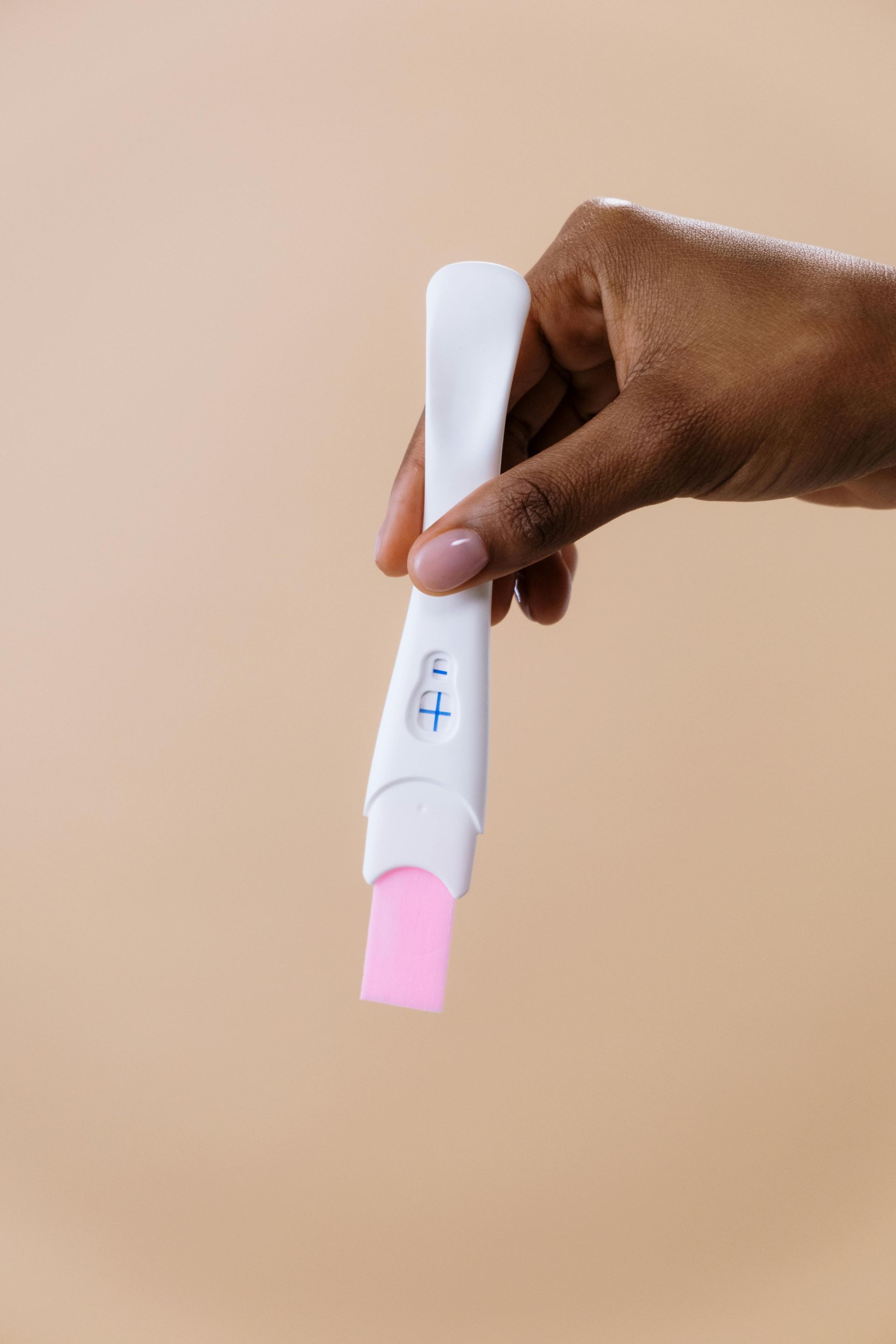
Many mental health problems during pregnancy can be caused by hormonal shifts like quick mood changes; however, external factors including a lack of support can also contribute to this issue.
Hormonal changes
Throughout pregnancy, a woman's hormone levels can shift quickly. Estradiol and progesterone can create sudden mood changes, anxiety, or other symptoms of perinatal depression. They also affect neurotransmitters like serotonin and dopamine in your brain.
Neuroimaging studies have found that brain activity is different in postpartum women with depression when compared to healthy women. The risk of contracting serious mental illness like postpartum psychosis or traumatic stress disorder after the first year of birth can be linked to metabolic changes and inflammation.
Other factors like your genetics or your family history may also increase your risk of developing maternal health disorders during this pregnancy. Bipolar disorder or obsessive-compulsive disorder can stem from this as well.
Lack of support systems
During pregnancy, women that lack support and a good social network have been found to have an increased risk of depression and perinatal anxiety.
When pregnant mothers don't have emotional or practical social support, they are more likely to feel despair and even cause self-harm. This includes having support from both family members and friends.
Studies have shown that married women in poor relationships can become depressed, and this causes issues in their pregnancies. For this reason, it's critical for pregnant women to create a strong social support network by speaking often with healthcare providers and meeting regularly with community groups to build relationships.
Strategies for Managing Mental Health During Pregnancy

Caring for your mental health throughout pregnancy requires proactive steps. Investing in professional therapy and creating a tight network of family and loved ones can provide necessary support and emotional stability you need.
Seeking professional help
Getting the right mental health support as well as prenatal care is vital to a healthy pregnancy journey and during the postpartum period. A qualified therapist specialized in women's mental health can help address issues as they arise and prevent them from escalating further.
Effective treatments for prenatal depression or anxiety may include talk therapy or joining support groups. Attending regular check-ups is essential to track both your mental well-being as well as your baby's health.
If your doctor or care team catches signs of possible depression, prescribing antidepressants may be an option after conducting a thorough risk-benefit analysis and considering any side effects.
Building a strong support network
Building a strong network of friends, family, and health providers can lower any feelings of depression or isolation and boost your mental health. Couples counseling is one option for those looking to enhance their relationship satisfaction.
Meet other women going through their pregnancy by signing up for classes about childbirth and parenting. Additionally, by learning more about the process, you'll grow confidence and reduce the fear around possible pregnancy complications. Having loved ones surrounding you during this journey is vital to your mental stability, especially as a new parent.
Practicing self-care
Another non-negotiable: practicing self-care. Make time every day to take part in activities that boost your mood and make you feel good. This might look like doing some low impact exercises or practicing meditation or relaxation techniques to help manage morning sickness or anxiety.
Physical activity can really make a difference in your mood and help get rid of anxiety. Gentle activities like walking or yoga are safe and encouraged. You can also practice mindfulness techniques to lower stress and increase relaxation.
Rest and a nutritious diet should be your priority. Also make sure you're getting enough sleep. These small but important details will ensure your physical and emotional health are taken care of throughout your pregnancy.
Get Expert Guidance At CNS
Knowing that you'll likely encounter a number of mental health challenges during pregnancy and being prepared for them is crucial for the well-being of you and your baby. Conditions like prenatal depression, anxiety, and mood swings are common during pregnancy, and should not be ignored.
Fortunately, by getting professional help, creating a supportive community, and taking time to practice self-care often, you'll be able to manage these obstacles more easily.
To get local mental health support in Detroit, Michigan, reach out to us at CNS Healthcare. Whether you're looking to speak with a counselor one on one, or interested in joining a peer support group, we have a place for you. Get in touch today!
FAQs
1. What mental health challenges can women experience during pregnancy?
Pregnancy and hormone shifts can raise the risk of developing eating disorders, post-traumatic stress disorder, or substance use disorder. These conditions can directly impact a woman's reproductive health which is why early detection is critical.
2. How does substance use affect a baby's health in early pregnancy?
If a pregnant woman has a drug use or substance problem in early pregnancy, the baby will have a high risk of being born with preventable birth defects. It could also result in pregnancy loss, and puts both the mother and baby at a higher risk for complications.
3. Why is body image important to women’s mental health during pregnancy?
First-time mothers who already had concerns about their body image pre-pregnancy are at risk for developing eating disorders, or making them worse. Catching this early on is crucial to supporting women's mental health.
4. Where should pregnant women look for help if they are having mental health concerns?
You can turn to healthcare providers who specialize in women’s mental health or reproductive care. For local residents in Michigan, reach out to us at CNS Healthcare to meet with a trained counselor to explore beneficial talking therapies. If it's urgent, you can reach out to mental health crisis lines such as National Maternal Mental Health Hotline for quick help.
Newsletter
Stay up to date by subscribing to our newsletter.
Recent Posts



SHARE THIS POST WITH YOUR FRIENDS