

Why Depression In Men Often Goes Unnoticed-💜
CNS Healthcare • March 7, 2025
Depression is a quiet but dangerous condition that can affect people of all races and ages. Unfortunately, people often overlook depression in men. This leaves many men to suffer alone in silence.
Depression in men can be
harder to
spot. They may express
anger or
body symptoms, like pain, instead of sadness.
While physical symptoms of depression might be harder to identify, there are ways to
spot the warning signs. This post will help you to better understand those signs, as well as educate you on when you should seek out additional help.
Key Takeaways
- Anger, irritability, and physical issues like fatigue and pain are common signs of depression in men. This can make it harder to spot.
- Social norms stop many men from seeking help. Many men hide their emotions and see vulnerability as weakness.
- Untreated depression in men is common. Mental health stigma often stops men from seeking help. This can raise the risk of substance abuse and suicide.
- Recognizing early signs of depression, like mood swings or chronic pain, can prevent suicide attempts and save lives.
- Taking advantage of professional support like therapy can encourage open conversation and be a key step towards healing depression for the long term.
Understanding Depression in Men
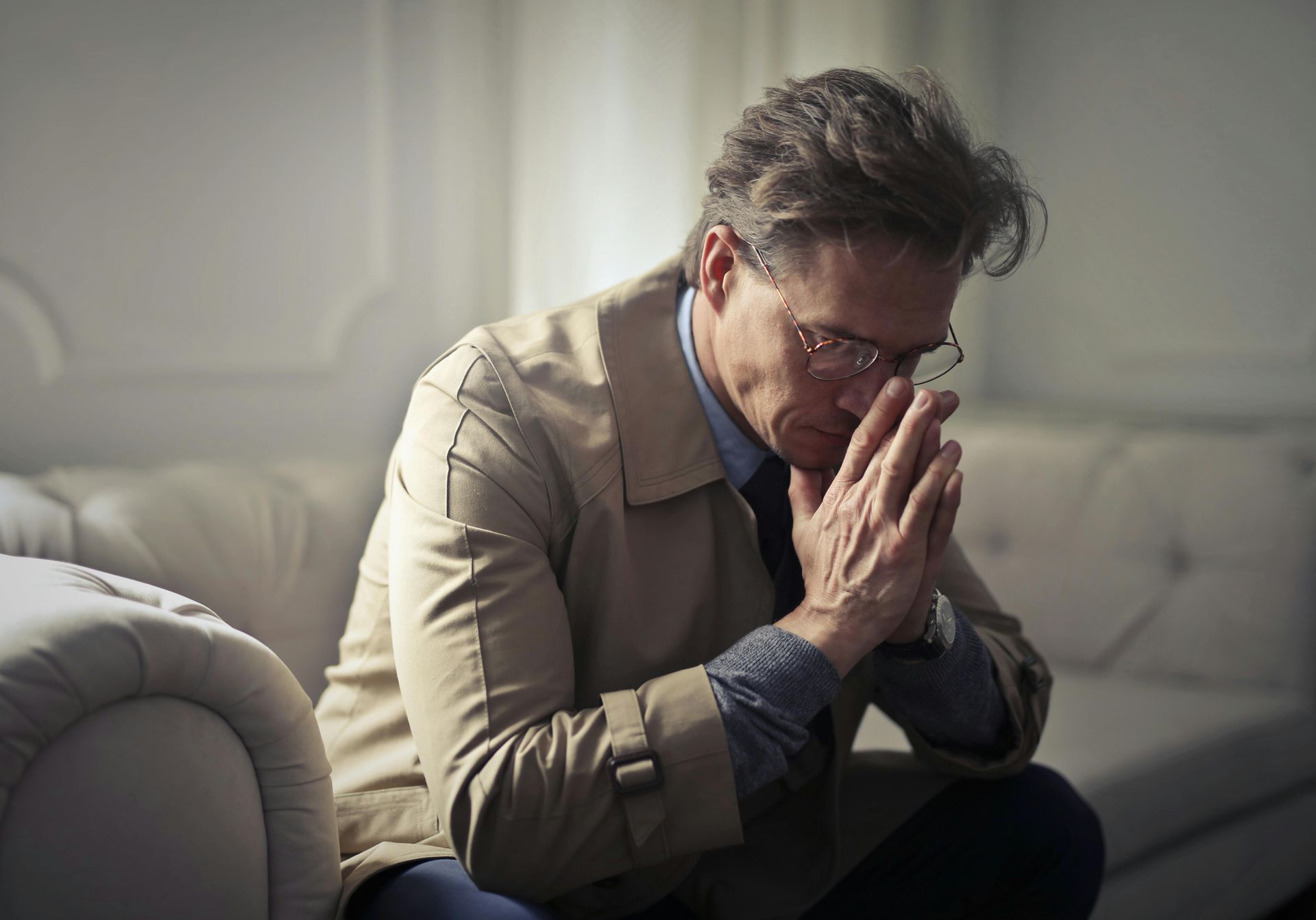
Men and women display different symptoms of depression. Much of this is due to social pressure on men. This pressure can hide signs of depression. It can also make depression harder to diagnose.
How depression manifests differently in men
While sadness is a common symptom of depression, men may show anger or irritability. They may also engage in risky behavior. It’s more likely you’ll notice aggression or frustration in their daily life. You are less likely to see them cry or show emotional distress openly.
Fatigue, headaches, back pain, and digestive issues are common physical symptoms. They can be
signs of clinical depression in men. They may also experience feelings of sadness or a loss of interest in activities they normally enjoy.
Men's mental health requires understanding beyond traditional stereotypes.
The impact of societal norms and expectations
Men are consistently pressured to appear strong and hide their feelings. People see acting vulnerable as a sign of weakness. This pressure can stop men from seeking help.
It can also stop them from talking about mental health issues. These issues may include major depression or suicidal thoughts.
Gender stereotypes may also influence how people recognize depressive symptoms. Since men may feel anger, irritability, or aggression instead of sadness, their depression symptoms often go unnoticed.
Unfair expectations and pressure in today’s society can make men’s depression harder
to take seriously. This can lead to
untreated depression and a higher risk of suicide among men in the United States.
Signs and Symptoms of Male Depression
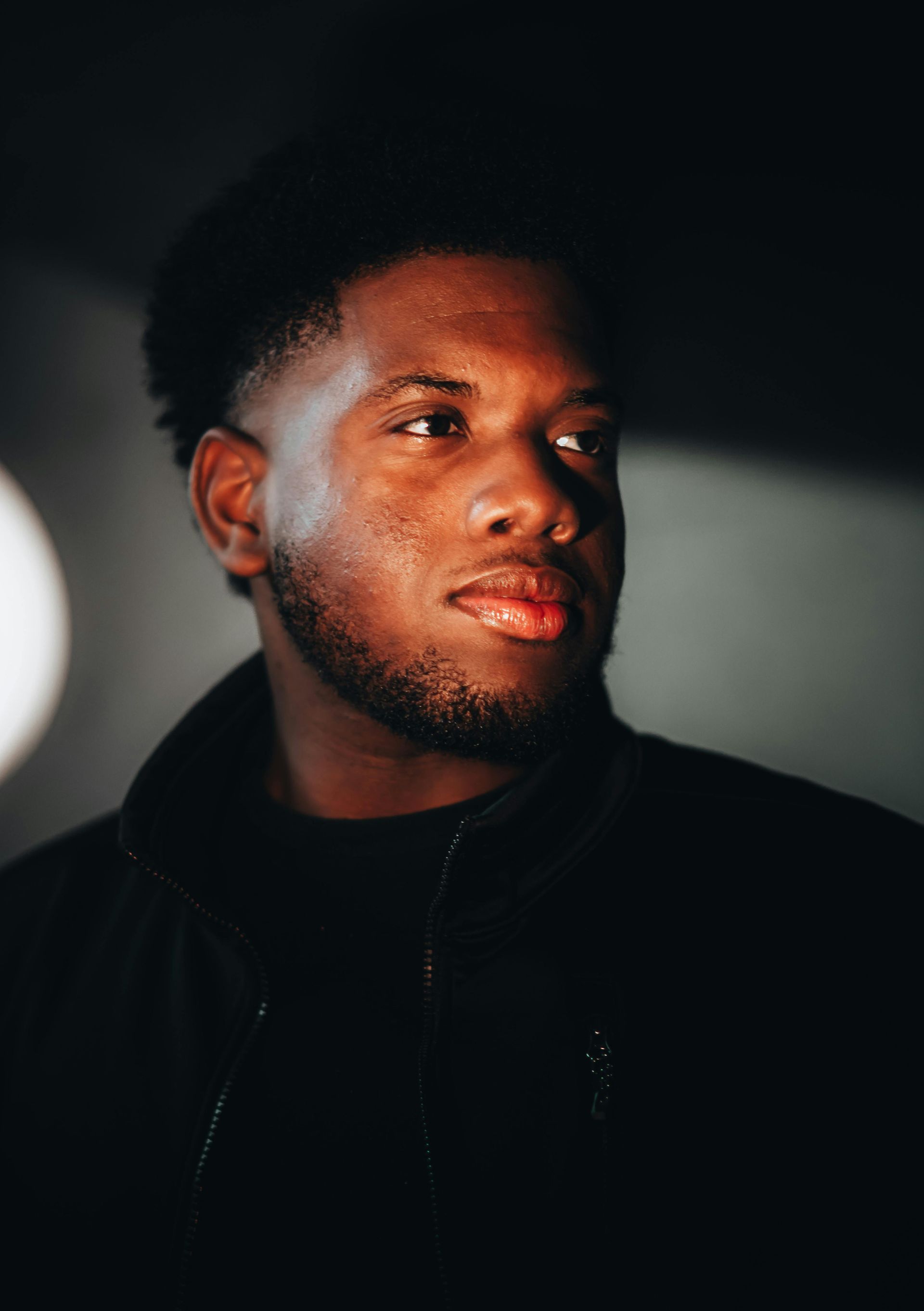
The
signs of male depression and mental illness may appear in different ways that may not be immediately obvious. Let's review some
changes in men's behavior and health.
Anger, irritability, and aggression
Anger or irritability can be clear signs of depression in men. They may show up as sudden mood swings. They can also appear as frustration over small things. Men may also act aggressive, either verbally or physically, damaging otherwise healthy relationships with family members and friends.
Feelings of sadness or a depressed mood are usually the deeper issues masked by these smaller, less noticeable signs. Since men face pressure to seem strong and avoid mental health care, they may show pain as rage instead of crying.
Physical symptoms such as fatigue and pain
Men struggling with depression often feel tired, despite getting plenty of rest. This exhausting fatigue can make simple daily tasks like going to work or caring for their family feel impossible.
They may also experience
physical pain in the form of headaches, back pain, or
digestive problems without a clear cause. It is common for physical health issues linked to depression to show up as chronic pain. These issues may be dismissed and treated only for surface-level symptoms.
Why Male Depression Often Goes Unnoticed
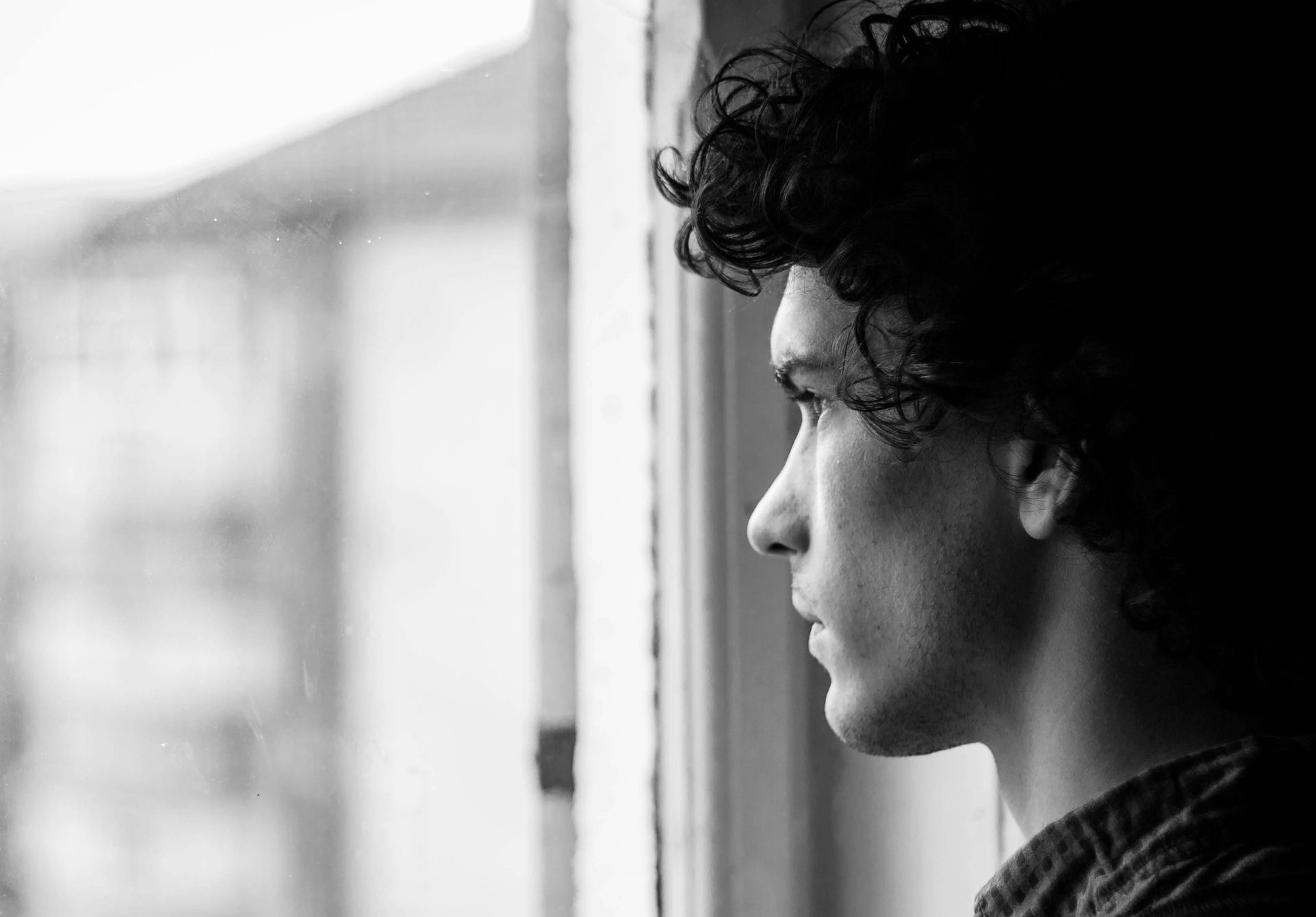
Male depression can be hard to spot. Some symptoms can be confusing. Many men hide their feelings due to fear of judgment or shame.
Stigma surrounding mental health in men
Because social norms expect men to
hide their emotions, many men find it hard
to admit
mental health struggles. This signals a sign of weakness and they may feel like they are less of a man because of it.
Unfortunately, this stigma stops many people from getting professional help. It can lead to untreated major depressive disorder, drug use, or thoughts of suicide. Ignoring symptoms like sleep disturbances or physical pain is also common.
Reluctance to seek help or show vulnerability
A big part of the problem with depression in men is that they are hesitant to ask for help in any form. The stereotype that they must always seem strong and emotionless can make them hide their feelings. It can also stop them from asking for help when needed.
Physical symptoms like fatigue, headaches, or body pain are often treated on their own. This can ignore the
emotional distress that may be causing them.
Men think that asking for help with their mental health care means that they are not able to take care of themselves, or that there is something wrong with them. This is why men, statistically, are less likely to use simple options like therapy. They are also less likely to talk openly about their emotions.
Avoiding or delaying the right treatment for male depression only increases the risk of severe depression, substance abuse, or even suicide. Men can
take the first step towards recovery by making the brave choice to reach out to a friend, family member, or a professional to express depression issues they are concerned about.
How to Support Men Struggling with Depression

By spotting signs of male depression early, it can help start open talks and guide men to effective treatment.
Recognizing the warning signs
Pay attention to
changes in behavior.
Men with depression may appear angry, irritable, or even aggressive as opposed to sad. They may withdraw, stop enjoying their usual hobbies, or isolate themselves to avoid social interactions.
Physical symptoms like fatigue, back pain, headaches, sleep issues, and digestive issues are common depression red flags. Men often focus on fixing physical symptoms instead of their emotional well-being.
These physical signs may point to a man having a depressive episode. They may also signal other mood disorders that need attention.
Encouraging open conversations and seeking help
To help combat male depression, men can get help by talking openly about their feelings with someone that they trust. Since men often hide their emotions, sharing their feelings can reduce the heavy weight of depression.
They can also seek out help from mental health services like talk therapy or support groups. Organizations like the National Institute of Mental Health offer helpful resources and treatment options for men’s mental health.
Improve Your Mental Health With CNS Healthcare

Men often hide depression behind misleading symptoms such as anger, physical pain, or silence. It can be difficult for men to open up about their mental health issues due to stigma.
Social norms and stereotypes stop many men from seeking help, and as a result, many men leave their depression untreated.
Noticing the symptoms early can improve men's mental health and even save lives. It’s easy to take small steps.
Start a conversation.
Offer to listen. Do this if you think someone close to you may be struggling quietly.
Connect with men, share resources, and encourage them to
seek and treat depression. Suggest options like therapy if they are struggling alone.
Help for male depression in Detroit starts with awareness and action, and CNS Healthcare can help provide support. With a little encouragement and care, we can help more men find the support they need!
FAQs
1. Why does depression in men often go unnoticed?
Depression in men is often dismissed. They may show physical signs like weight loss or sleep problems. They may show less emotional distress. Social factors and gender differences also play a role in masking signs of male depression.
2. What are the common risk factors for depression in men?
Risk factors for male depression can include job loss or divorce. They can also include heart disease, substance use disorder, and social isolation. Low self-esteem and lack of social support may also increase the risk.
3. How do physical symptoms differ from emotional ones in men’s depression?
Men with depression may have physical symptoms. These can include memory loss, erectile dysfunction, or weight gain. They may cry less or show fewer common signs of sadness.
4. What types of treatment are available for men with depression?
Treatment options include antidepressant medicines like selective serotonin reuptake inhibitors. Options also include cognitive behavioral therapy, transcranial magnetic stimulation and electroconvulsive therapy.
5. Can untreated depression lead to other problems for men?
Yes, untreated depression may lead men to get involved in unsafe sex practices or drug abuse. They may experience mental disorders like bipolar disorder or seasonal affective disorder, and even suicide risks without proper prevention.
6. Where can someone find help if they suspect a man has undiagnosed depression?
Resources like the Crisis Lifeline, and organizations like the American Psychiatric Association and behavioral health systems can offer guidance on finding professional care.
Newsletter
Stay up to date by subscribing to our newsletter.
Recent Posts



SHARE THIS POST WITH YOUR FRIENDS